Flexible conveyors are critical in sand and aggregate production lines, enabling efficient material transfer between crushers, screens, and storage units. Here’s a streamlined approach to designing one:
1. Trough Design: Use abrasion-resistant steel (HARDOX 400) with adjustable sidewalls (300–800mm width).
2. Drive System: Opt for geared motors (5.5–22 kW) with variable frequency drives (VFDs) for speed control (0.1–1.5 m/s).
3. Support Structure: Modular galvanized frames with 30°–45° incline capability.
| Parameter | Specification |
|---|---|
| Capacity | 50–500 TPH |
| Belt Width | 500–1200 mm |
| Tensile Strength | 315–2000 N/mm² (EP/ST fabric) |
| Spline Couplings | T10-T20 DIN 5480 standard |
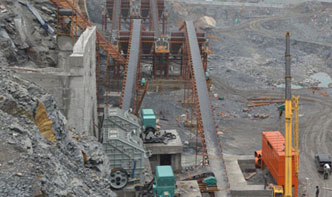
– Align conveyor exits with crusher feed hoppers (±5mm tolerance).
– Install dust suppression nozzles (<3µm filtration) at transfer points.
Q: How to reduce spillage?
A: Use vulcanized rubber skirting (12mm thick) with tungsten scrapers.
Q: Maintenance interval?
A: Lubricate bearings every 500 hours; inspect belts bi-weekly.
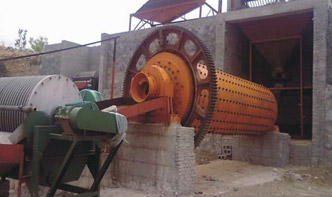
A Saudi Arabian quarry replaced rigid conveyors with flexible systems, achieving:
– 18% higher throughput (420→496 TPH) due to reduced jamming.
– 32% lower maintenance costs via quick-release idler assemblies.
For harsh environments, prioritize corrugated sidewalls and sealed rollers (IP67 rating