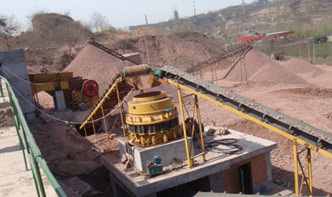
Zambia’s limestone reserves are a key resource for construction and industrial applications. To maximize productivity, mining companies rely on tailored crushing and sand-making production lines. Here’s an overview of essential equipment and processes.
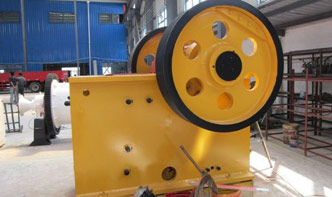
1. Primary Jaw Crusher:
– Model: PE600×900
– Feed Size: ≤500mm
– Capacity: 50–160 t/h
– Power: 55–75 kW
2. Secondary Impact Crusher:
– Model: PF1214
– Feed Size: ≤350mm
– Capacity: 70–130 t/h
– Power: 132 kW
3. VSI Sand Maker:
– Model: VSI7611
– Feed Size: ≤50mm
– Capacity: 60–180 t/h
– Power: 180–220 kW
4. Vibrating Screen:
– Model: 3YK1860
– Layers: 3
– Capacity: 50–500 t/h
Raw limestone is first blasted and loaded into dump trucks. The material undergoes primary crushing (jaw crusher), secondary shaping (impact crusher), and sand-making (VSI) stages. Screens classify outputs into 0–5mm (sand), 5–20mm, and 20–40mm aggregates.
Q1: What’s the lifespan of wear parts in Zambia’s abrasive limestone?
A: Manganese steel jaws last ~6 months; VSI rotors require replacement every 1,200 hours.
Q2: How to reduce dust pollution?
A: Install water sprays at transfer points + pulse-jet bag filters.
Q3: Typical power consumption per ton?
A: ~1.8–2.2 kWh/t for complete processing.
A Zambian mining firm deployed a 200tph line featuring PE750×1060 jaw crusher + HPT300 cone crusher + VSI1145 sand maker. Outputs meet ASTM C33 standards for concrete aggregates, with