Here’s a professional article tailored to your request:
—
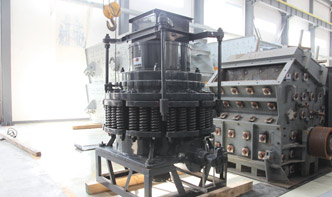
The construction industry increasingly relies on crusher sand (manufactured sand) as a sustainable alternative to natural river sand, especially in plastering. Produced by crushing hard granite or basalt rocks in vertical shaft impactors (VSIs) or cone crushers, crusher sand offers consistent gradation, lower silt content, and enhanced workability when optimized for plaster mixes.
Crusher sand’s angular particle shape improves bond strength with cement, reducing cracks in plaster. Key advantages include:
– Controlled Gradation: Meets IS 383 Zone-II standards (0–4.75mm) for optimal fineness.
– Low Silt Content: Typically <3% (vs. river sand’s 5–20%), minimizing water demand.
– Eco-Friendly: Reduces reliance on dredged river sand.
A well-designed crushing-screening-washing system ensures plaster-grade crusher sand:
1. Primary Crushing: Jaw crusher (e.g., 150x250mm feed size) reduces boulders to ~40mm.
2. Secondary Crushing: Cone crusher (e.g., GP200 with 25mm CSS) produces 10–20mm aggregates.
3. Tertiary Stage: VSI (e.g., B9100SE) shapes particles and removes flaky grains.
4. Washing: Spiral classifiers or sand washers reduce microfines (<75µm) to <10%.
Key Equipment Parameters
| Equipment | Model Example | Critical Parameter | Output Range |
|———–|————–|———————|————–|
| VSI Crusher | B9100SE | Rotor Speed: 1,500–2,500 RPM | 50–250 TPH |
| Sand Washer | LX-915 | Water Consumption: 30–50m³/hr | Fines Removal Efficiency: >90% |
Q1: Does crusher sand require additives for plaster?
A: Minor adjustments like fly ash (5–10%) or superplasticizers may improve workability but are often unnecessary with well-graded