Heavy-Duty Gold Mining Wash Plant Shaker: Core Technology and Applications
For professionals in the crushing, sand-making, and aggregate industries, integrating a heavy-duty gold mining wash plant shaker into production lines can significantly enhance efficiency and recovery rates. This equipment is designed to separate gold particles from alluvial deposits or crushed ore, leveraging gravity concentration principles. Below, we explore its core features, operational advantages, and real-world applications.
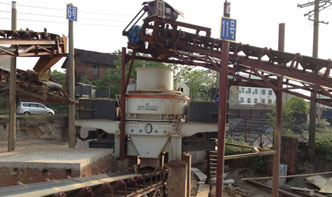
Core Design and Working Principle
A heavy-duty shaker table (or wash plant shaker) consists of a vibrating deck with riffles and a water flow system. The deck oscillates longitudinally, creating stratification where denser gold particles settle between riffles while lighter materials wash away. Key components include:
1. Deck Construction: High-wear-resistant steel or polyurethane coatings ensure durability under abrasive conditions.
2. Adjustable Slope/Tilt: Fine-tunes separation efficiency for varying feed sizes (e.g., 0.5–3mm).
3. Variable Speed Drive: Allows optimization of stroke frequency (typically 240–300 RPM) for different ore densities.
4. Water Distribution System: Ensures even flow to prevent channeling and maximize recovery.
Integration into Production Lines
In sand/gravel or hard rock gold operations, the shaker often follows crushing/screening stages:
– Alluvial Plants: Directly processes excavated material after trommel/scrubber washing.
– Hard Rock Circuits: Receives milled slurry post-cyclone classification.
Example configuration:
Jaw Crusher → Hammer Mill → Shaker Table → Concentrate Smelting
Operational Advantages
1. High Recovery Rates: Achieves 95%+ gold recovery for particles >50 mesh (0.3mm).
2. Low Energy Consumption: Typically requires ≤1.5 kW per ton/hour feed capacity.
3. Minimal Chemical Use: Eco-friendly alternative to cyanidation/CIL plants for small-scale ops.
FAQ
Q1: How to troubleshoot low recovery rates?
– Check water flow consistency; uneven distribution causes gold loss in tailings.
– Verify deck tilt/stroke settings—overly aggressive strokes may eject fine gold.
Q2: Can it handle sulfide ores?
Shakers primarily target free-milling gold; sulfides require flotation/leaching pretreatment for optimal results.