Chrome beneficiation is a critical process to extract chromium from raw ore, ensuring high-grade concentrates for industrial applications. As a professional in crushing and sand-making production lines, I’ll outline a comprehensive design plan focusing on equipment selection, process flow, and optimization strategies.
The chrome beneficiation process typically includes crushing, grinding, gravity separation, magnetic separation, and tailings management. Here’s a step-by-step breakdown:
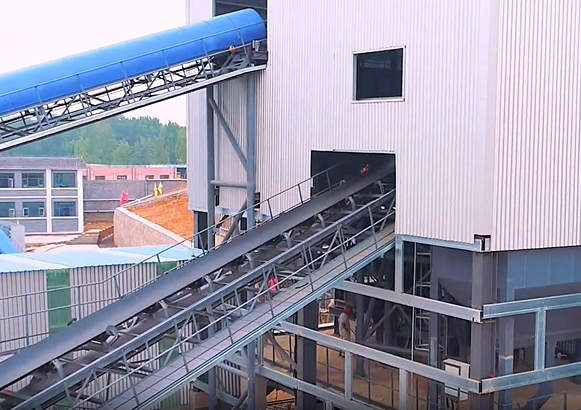
1. Primary Crushing: Large chrome ore lumps are reduced to 150-200mm using jaw crushers or gyratory crushers.
2. Secondary Crushing: Cone crushers further crush the ore to below 50mm.
3. Grinding: Ball mills or rod mills grind the ore to liberate chrome particles (typically 75-150 microns).
4. Gravity Separation: Spiral classifiers, jigs, or shaking tables separate chromite from gangue minerals.
5. Magnetic Separation: High-intensity magnetic separators remove ferrous impurities.
6. Tailings Management: Dry stacking or filtration systems handle waste materials.
Selecting the right equipment ensures efficiency and cost-effectiveness:
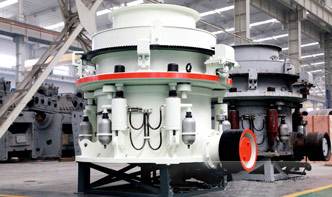
1. Crushers: Heavy-duty jaw crushers for primary crushing and multi-cylinder hydraulic cone crushers for secondary crushing ensure high throughput and low wear.
2. Grinding Mills: Overflow ball mills with rubber linings reduce energy consumption and maintenance costs.
3. Gravity Separators: Spiral concentrators are preferred for coarse chromite recovery (>100 microns), while shaking tables handle finer particles.
4. Magnetic Separators: Wet high-intensity magnetic separators (WHIMS) effectively remove iron-bearing impurities.
To maximize recovery rates (typically 85-92%) and concentrate grade (Cr2O3 content >45%), consider:
1. Ore Characterization: Conduct mineralogical analysis to determine liberation size and impurity distribution.
2. Water Recycling: Implement closed-loop water systems to reduce consumption and environmental impact.
3. Automation: Use PLC-based control systems for real-time monitoring of feed density, pH, and separation efficiency.
Q1: What’s the ideal feed size for chrome beneficiation?
A: For gravity separation, aim for 1