“`html
Ghana’s construction boom drives robust demand for high-quality limestone aggregates. As a professional in crushing and sand-making production lines, I’ll share practical insights into setting up efficient limestone processing plants in Ghana’s unique conditions.
Primary crushing typically employs jaw crushers for their high reduction ratios (6:1 to 8:1) and ability to handle raw limestone with feed sizes up to 1500mm. The secondary stage often utilizes impact crushers or cone crushers for producing 20-50mm aggregates, while tertiary crushing with vertical shaft impactors (VSIs) creates premium cubical aggregates.
| Stage | Equipment | Model Example | Capacity | Output Size |
|---|---|---|---|---|
| Primary | Jaw Crusher | C6X160 | 800-1200t/h | 150-350mm |
| Secondary | Cone Crusher | HPT500 | 450-900t/h | 20-50mm |
| Tertiary | VSI Crusher | S8-1145DR | 300-600t/h | 5-20mm |
| Screening | Multi-layer Vibrating Screen | 3YK3072 | Max.400t/h per deck | 3-5 fractions |
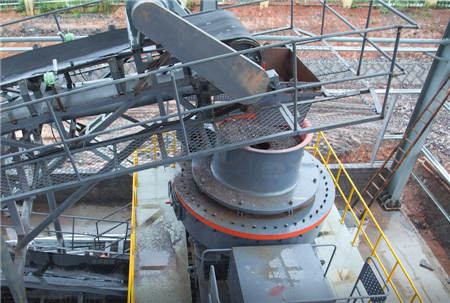
Local limestone often contains higher moisture content (8-12%) compared to European quarries (typically <6%). This necessitates:
1. Pre-screening with heavy-duty grizzly feeders to remove sticky fines
2. Impact crushers instead of hammer mills for wet material processing
3. Strategic placement of transfer chutes with wear-resistant linings (minimum 400 Brinell hardness)
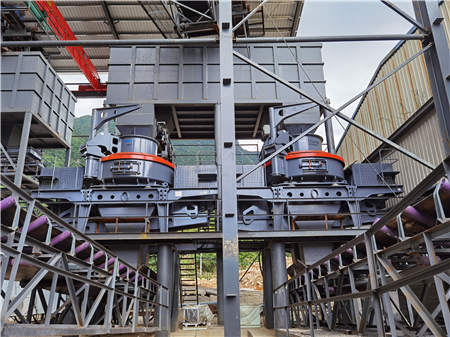
Dust control remains critical near residential areas like