For professionals in the aggregate industry, understanding rock crushing equipment production rates is critical for optimizing operations and maximizing ROI. This article delves into core equipment performance metrics, factors influencing output, and practical solutions for common challenges.
Production rates vary significantly based on equipment type, feed material hardness, and configuration. Below are typical ranges for primary crushing stages:
| Equipment Type | Model Example | Max Feed Size (mm) | Output Range (TPH) |
|---|---|---|---|
| Jaw Crusher | CJ612 | 1,100 | 300–800 |
| Cone Crusher | CH660 | 275 | 200–500 |
| Impact Crusher | CI732 | 600 | 250–600 |
| Gyratory Crusher | CG850 | 1,400 | 3,000–8,000 |
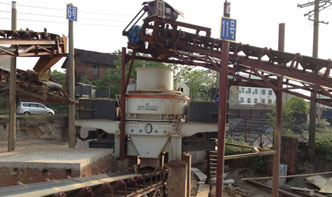
*Note: TPH = Tons Per Hour; Output depends on closed-side setting (CSS), moisture content, and abrasiveness.*
To achieve desired production rates:
– Material Properties: Granite requires higher crushing force vs. limestone.
– Feed Gradation: Well-graded feed improves chamber fill and throughput.
– Downstream Needs: Secondary/tertiary crushers must match primary output.
Example: A basalt quarry targeting 500 TPH would pair a CJ815 jaw crusher (500–900 TPH) with a CH870 cone crusher (350–750 TPH) for balanced reduction.
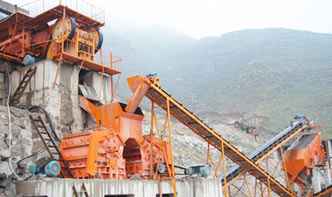
Undersized or oversized material recirculation directly impacts net production:
– Scalping screens remove fines before primary crushing (e.g., SF1545 vibrating screen with 400 TPH capacity).
– Closed-circuit systems with checkscreens can boost yield by