Copper Processing Plant Setup Guide for Sand and Aggregate Professionals
As a professional in crushing, sand-making, and aggregate production, expanding into copper processing requires careful planning. This guide covers key equipment selection, plant layout, and operational considerations tailored to your expertise.
Copper processing shares similarities with aggregate lines but demands specialized machinery for ore beneficiation. Below are critical components:
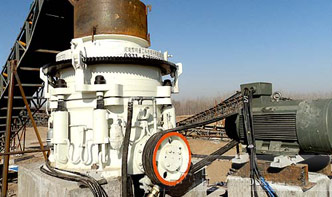
1. Primary Crusher:
– Jaw Crusher (e.g., PE-900×1200)
– Feed Opening: 900×1200mm
– Capacity: 220–380 TPH
– Power: 110–132 kW
– *Alternative*: Gyratory crushers for high-tonnage operations.
2. Secondary Crushing & Grinding:
– Cone Crusher (e.g., HPT300)
– Max Feed Size: 230mm
– Discharge Range: 10–30mm
– Capacity: 120–400 TPH
– Ball Mill (e.g., MQG3660)
– Drum Diameter: 3.6m × Length: 6m
– Grinding Media Load: 45–50t
3. Flotation System:
– Key for copper sulfide/concentrate separation. Include agitators (e.g., BF-24, Volume: 24m³) and flotation cells (e.g., KYF-50, Capacity: 50m³).
A typical copper processing line follows this flow:
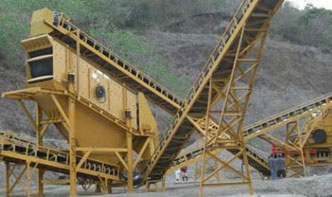
1. Crushing Stage: Two-stage crushing (jaw + cone) to reduce ore to ≤25mm. Closed-circuit design recommended for efficiency.
2. Grinding & Classification: Ball mill + spiral classifier/hydrocyclone to achieve 80% passing 200 mesh.
3. Flotation & Dewatering: Rougher/scavenger flotation → Concentrate thickening → Filter pressing (moisture ≤15%).
*Parameter Table*:
| Equipment | Model | Key Parameter | Output Target |
|——————–|————|——————————|————————|
| Jaw Crusher | PE-900×1200| Feed Size ≤750mm | Discharge ≤