Limestone crushing is a fundamental process in aggregate production, especially when targeting specific output sizes like 8mm for construction or industrial applications. Selecting the right crushing machine ensures efficiency, product quality, and cost-effectiveness. This article delves into the core considerations, equipment options, and practical insights for achieving optimal results.
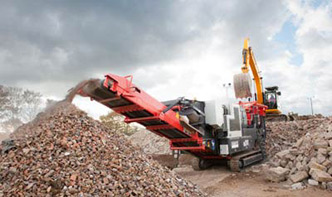
To produce 8mm limestone aggregates, a well-designed crushing circuit typically includes primary, secondary, and tertiary stages. Below are the most suitable machines:
1. Jaw Crusher (Primary Crushing)
– Processes large limestone blocks (≤1200mm) into smaller fragments (≤350mm).
– Recommended model: PE-600×900
– Feed opening: 600×900mm
– Capacity: 50–160 t/h
– Power: 55–75 kW
2. Impact Crusher (Secondary/Tertiary Crushing)
– Ideal for shaping and refining aggregates to 8mm. Delivers cubical-shaped output.
– Recommended model: PF-1214
– Rotor diameter: 1250×1400mm
– Capacity: 80–180 t/h
– Power: 132 kW
3. Cone Crusher (Alternative Secondary Stage)
– Suitable for harder limestone variants; produces uniform gradation.
– Recommended model: CS75
– Max feed size: 200mm
– Capacity: 45–91 t/h
– Power: 75 kW
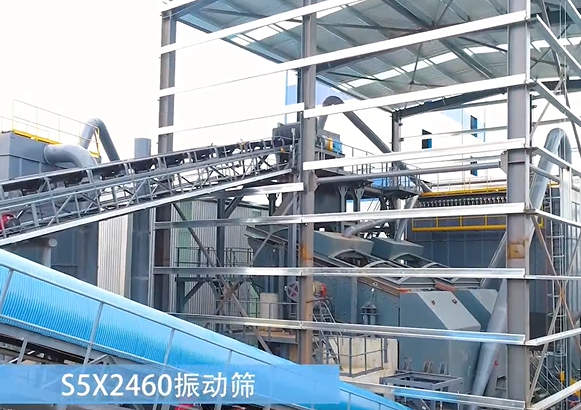
4. Vertical Shaft Impact Crusher (VSI) – Final Shaping
– Enhances particle shape and reduces flakiness for high-value applications like concrete sand.
A standard limestone crushing line targeting 8mm output may include:
1. Feeding: Vibrating feeder (GZD-960×3800) to ensure steady material flow.
2. Primary Crushing: Jaw crusher (PE-600×900).
3. Secondary Crushing: Impact crusher (PF-1214) or cone crusher (CS75).
4. Screening: Circular vibrating screen (3YK1860) to separate undersized material (<8mm).