Electrolysis equipment plays a critical role in modern mining operations, particularly in metal extraction and wastewater treatment. For professionals in the crushing, sand-making, and aggregate production industry, integrating electrolysis systems can optimize mineral recovery while reducing environmental impact. This article explores key applications, technical specifications, and real-world implementations of electrolysis technology in mining.
1. Metal Recovery: Electrolysis is widely used to extract precious metals (e.g., copper, gold) from ore slurries or leach solutions.
2. Water Purification: Removes heavy metals (e.g., lead, cadmium) from mining wastewater to meet discharge standards.
3. Sludge Treatment: Electrocoagulation systems reduce sludge volume by separating suspended solids.
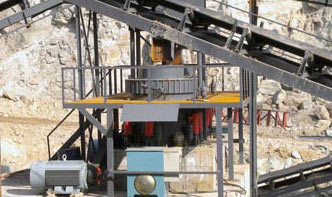
Below is a comparison of two common electrolysis systems used in mining:
| Model | Capacity (m³/h) | Power (kW) | Voltage (V) | Anode Material |
|—————–|——————–|—————|—————-|——————–|
| ELX-500 | 5–10 | 15–30 | 24–48 | Mixed Metal Oxide |
| ELX-2000 | 20–50 | 50–100 | 48–120 | Titanium Coated |
*Note: Custom configurations are available for high-salinity or high-solid-content solutions.*
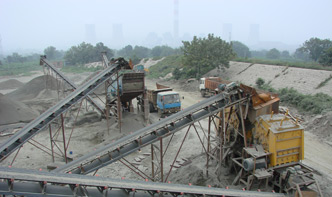
Electrolysis units are often installed downstream of grinding and flotation circuits to treat tailings or recover residual metals. Key integration points include:
– Post-Grinding: Metal-laden slurry enters the electrolysis cell for ion separation.
– Tailings Pond: Electrocoagulation reduces contaminants before water recycling.
– Sand Washing: Closed-loop systems minimize freshwater consumption by purifying recycled water.
Challenge: A copper processing plant faced low recovery rates (<80%) from conventional leaching.
Solution: An ELX-2000 system was installed to enhance electrowinning efficiency.
Results:
– Recovery rate improved to 92%.
– Energy