Modern crushing and screening plants are engineered to transform raw materials into high-quality aggregates for construction, road building, and industrial applications. These plants integrate primary, secondary, and tertiary crushers with vibrating screens, conveyors, and control systems to optimize output and reduce operational costs.
Key Components:
– Primary Crushers (Jaw/Cone/Impact): Process large rocks (up to 1,500 mm) into manageable sizes.
– Secondary/Tertiary Crushers: Fine-tune material to 5–40 mm for sand or gravel specifications.
– Vibrating Screens: Separate aggregates by size (e.g., 0–5mm, 5–20mm, 20–40mm).
– Control Systems: PLC-based automation ensures efficiency and safety.
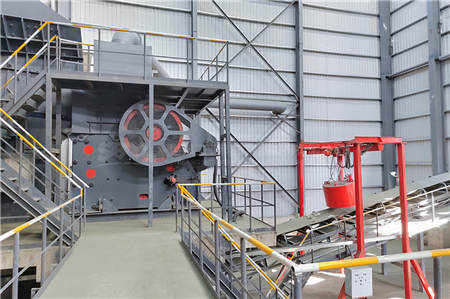
Below is a comparison of typical configurations:
| Model | Capacity (TPH) | Max Feed Size (mm) | Power (kW) | Output Sizes (mm) |
|—————–|——————-|———————–|—————|———————-|
| Mobile Jaw Plant | 50–400 | 650 | 90–250 | 20–150 |
| Stationary Cone Plant | 100–800 | 300 | 160–400 | 5–40 |
| VSI Sand Maker | 60–500 | 50 | 180–500 | 0–5 (Artificial Sand)|
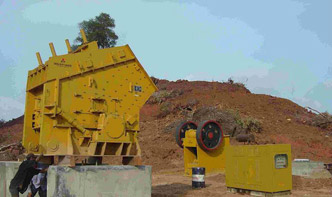
Q1: How to reduce dust in crushing yards?
*A:* Use water spray systems, enclosures around crushers, and bag filters.
Q2: What’s the lifespan of wear parts in a cone crusher?
*A:* Manganese liners last 500–1,000 hours; regular greasing extends bearing life to 10,000+ hours.
Q3: Can a plant recycle demolition waste?
*A:* Yes. Impact crushers with pre-screens process concrete/asphalt into reusable aggregates.
Challenge: Produce 600 TPH of road base (20–40mm