Breaking hard stone efficiently requires a strategic combination of equipment selection, process design, and operational expertise. As a professional in crushing and sand-making production lines, I’ll share actionable insights to maximize productivity while maintaining cost-effectiveness.
The foundation of efficient hard stone quarrying lies in choosing the right primary crusher. For high-compressive-strength materials like granite or basalt (250–350 MPa), consider these options:
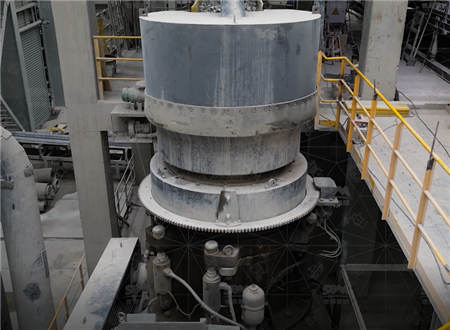
| Equipment Type | Recommended Model | Feed Size (mm) | Capacity (t/h) | Power (kW) |
|---|---|---|---|---|
| Jaw Crusher | C6X160 | 1200×1500 | 800–1100 | 250 |
| Cone Crusher | HPT500 | 330 | 500–700 | 500 |
| Semi-Mobile Impact Crusher | CI732 | 900×720 | 400–600 | 400 |
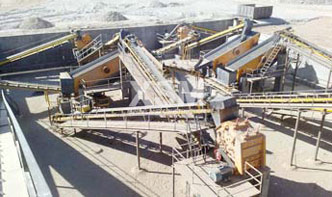
Pro Tip: Implement multi-stage crushing with pre-screening to reduce recirculation load. A typical 3-stage setup (primary jaw → secondary cone → tertiary VSI) achieves 25% higher throughput than conventional 2-stage systems.
1. Blasting Optimization: Reduce feed size at source by adjusting blast patterns. Target 80% of fragmented rock ≤800mm for direct jaw crusher feeding.
2. Wear Part Management: Monitor manganese steel liners every 250 operating hours. Cone crusher mantles typically last 450–600 hours processing granite.
3. Automated Gradation Control: Install online particle analyzers (e.g., VisioRock®) to adjust CSS dynamically, maintaining ≤10% oversize in final product.
Location: Fujian Province, China
Challenge: Original 500