A coal wash plant is designed to remove impurities from raw coal, improving its quality and market value. The process typically involves crushing, screening, washing, and dewatering stages. Below is a detailed breakdown of the workflow and key equipment used in a modern coal wash plant.
1. Raw Coal Feeding: Coal is delivered to the plant via trucks or conveyors and fed into a hopper.
2. Primary Crushing: Large-sized coal is reduced to smaller pieces (e.g., ≤200mm) using jaw crushers or rotary breakers.
3. Screening: Vibrating screens separate coal into size fractions (e.g., +50mm, 50–10mm, –10mm).
4. Dense Medium Separation (DMS): Larger coal particles are cleaned using cyclones or baths with magnetite slurry to separate pure coal from waste rock.
5. Fine Coal Processing: Smaller particles (–1mm) are treated via froth flotation or spiral concentrators.
6. Dewatering: Centrifuges, filter presses, or screen bowls remove excess water from washed coal.
7. Stockpiling & Dispatch: Clean coal is stored or loaded for transport.
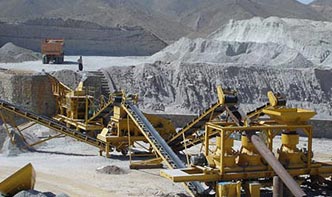
| Equipment | Key Parameters | Example Model Specifications |
|——————–|—————————————–|————————————-|
| Jaw Crusher | Feed size: ≤1200mm, Capacity: 50–800t/h | JC1200, Power: 160kW |
| Vibrating Screen | Deck size: 3m x 6m, Mesh: 10–100mm | ZKR2448, Power: 15kW |
| DMS Cyclone | Diameter: 500–1000mm, Capacity: 50t/h | DSM500, Pressure: 0.1MPa |
| Spiral Concentrator| Feed size: –1mm, Recovery rate: ≥85% | SC2000, Fiberglass construction |
| Filter Press | Filtration area: 100m², Cake moisture: ≤20% | XMZ100/1000 |
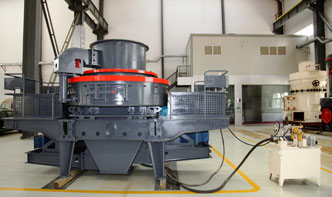
Q1: What’s the typical recovery rate of a coal