Iron ore mining typically involves open-pit or underground extraction methods. Open-pit mining is preferred for large, near-surface deposits, while underground mining is used for deeper ore bodies. The extracted ore undergoes crushing, grinding, and beneficiation to produce high-grade iron concentrate.
A robust crushing and sand-making line for iron ore includes primary, secondary, and tertiary crushers, followed by sand-making machines and screening equipment. Key components:
1. Primary Crusher: Jaw crusher (e.g., Feed size: ≤1,500mm, Capacity: 1-2,200 t/h).
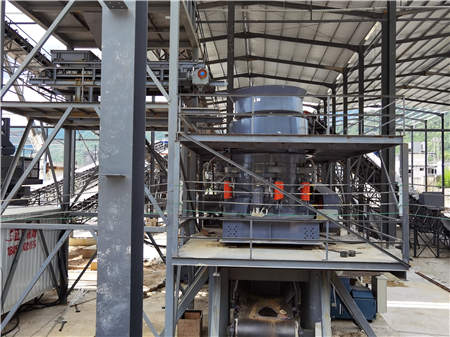
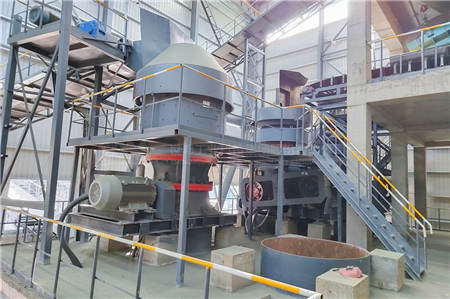
2. Secondary Crusher: Cone crusher (e.g., Max feed size: 300mm, Output: 50-1,000 t/h).
3. Tertiary Crusher: Vertical shaft impactor (VSI) for sand shaping (e.g., Capacity: 60-650 t/h).
4. Screening: Vibrating screens (e.g., Layer: 1-4, Mesh size: 3-100mm).
| Equipment | Model Example | Feed Size (mm) | Capacity (t/h) | Power (kW) |
|——————–|—————|—————-|—————-|————|
| Jaw Crusher | PE1200×1500 | ≤1,500 | 400-800 | 160-220 |
| Cone Crusher | HPT300 | ≤300 | 200-500 | 250 |
| VSI Sand Maker | B-9100 | ≤50 | 300-520 | 400 |
Q1: What is the ideal moisture content for iron ore crushing?
A: Below 5% to prevent clogging.
Q2: How to reduce dust in the production line?
A: Use dust suppression systems or enclosed conveyors.
A project in Australia processed 10M t/y of iron ore using a three-stage crushing line with jaw + cone + VSI crushers, achieving a final product size of 0-5mm for pelletizing. The line operated at 85