The artificial quartz production line is designed to transform raw quartz materials into high-quality engineered stone slabs. This process involves crushing, screening, resin mixing, molding, and polishing. Russian manufacturers utilize advanced automation and precision equipment to ensure consistent output for construction and decorative applications.
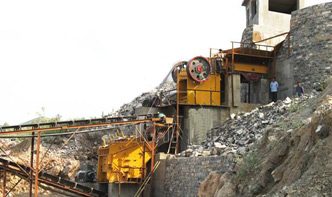
1. Jaw Crusher: Primary crushing of quartz blocks (Feed size: ≤600mm; Output: 50-150mm).
2. Impact Crusher/Cone Crusher: Secondary crushing to 10-30mm particles.
3. Vertical Shaft Impact (VSI) Crusher: Shaping sand with low flakiness (<5%).
4. Ball Mill: Fine grinding to 200-400 mesh powder.
5. Resin Mixer: Blends quartz powder (93%), resin (7%), and pigments uniformly.
| Equipment | Model | Capacity (t/h) | Power (kW) |
|---|---|---|---|
| Jaw Crusher | PE-600×900 | 50-120 | 75 |
| VSI Crusher | S8-1145 | 60-150 | 250 |
| Ball Mill | MQY2740 | 10-15 | 400 |
Artificial quartz offers superior durability (>90 MPa compressive strength), stain resistance, and color consistency compared to natural granite or marble aggregates. The production line achieves <0.5% porosity through vacuum vibration compaction technology.
Q1: What’s the energy consumption per ton?
A: ~25 kWh/t for full processing, including curing ovens (~15 kWh/t for crushing/screening alone).
Q2: How to control dust in Russian winter?
A: Enclosed conveyors + bag filters (efficiency >99%) with heated housing prevent moisture buildup.
A 2023 installation near Moscow processes