For students exploring mineral processing, designing an iron ore beneficiation project requires understanding key equipment and production line configurations. Below is a streamlined setup for small-scale college experiments or pilot studies.
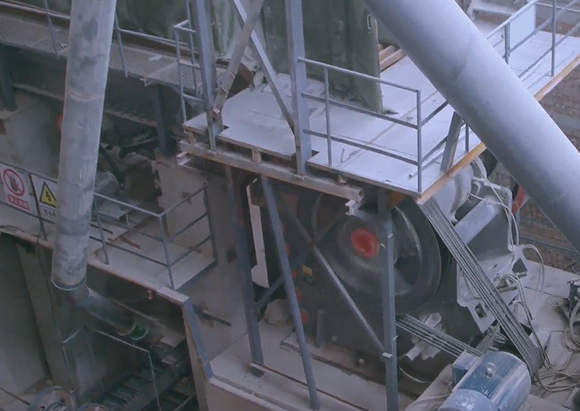
1. Jaw Crusher (Primary Crushing)
– Model: PE-250×400
– Feed Size: ≤210mm
– Output: 5-20t/h
– Power: 15kW
2. Cone Crusher (Secondary Crushing)
– Model: PYB600
– Max Feed: 65mm
– Discharge: 12-25mm
– Power: 30kW
3. Ball Mill (Grinding)
– Capacity: 0.5-2t/h
– Rotation Speed: 36r/min
– Media Load: 1.5t
4. Spiral Classifier (Separation)
– Diameter: Φ300mm
– Sand Return Rate: ≥75%
5. Magnetic Separator (Concentration)
– Type: Wet Drum (CTB618)
– Field Intensity: 1500 Gauss
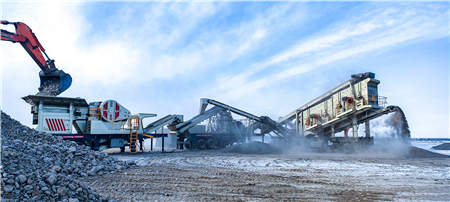
Raw ore → Jaw crusher → Cone crusher → Ball mill → Spiral classifier → Magnetic separator → Concentrate storage. Tailings are recycled or discarded.
| Equipment | Key Parameter | Value | Application |
|——————–|—————————-|——————–|———————–|
| Jaw Crusher | Discharge Adjustment | 20-80mm | Coarse crushing |
| Magnetic Separator | Recovery Rate | ≥90% | Fe concentrate upgrade|
Q1: What’s the minimum lab-scale capacity?
*A:* A compact line can process 100kg/h using mini-jaw crushers (e.g., PE-150×250) and bench-top ball mills.
Q2: How to reduce dust in crushing?
*A:* Install water sprays or use enclosed conveyors with bag filters.
A university in Brazil built a pilot plant with PE-400×600 jaw crusher