Manufactured sand (M-Sand), produced by crushing rocks or quarry stones, is widely used as an alternative to natural sand. However, it has several drawbacks that impact construction quality and production efficiency.
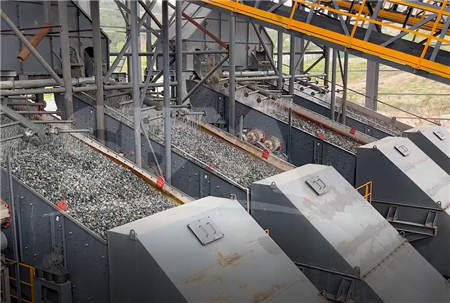
1. Higher Fines Content: Excessive particles below 75µm can weaken concrete strength and increase water demand.
2. Angular Particle Shape: Leads to poor workability and higher cement consumption.
3. Gradation Control: Requires precise crushing and screening to meet standards like ASTM C33 or IS 383.
4. Equipment Wear: Abrasive materials accelerate wear in crushers (e.g., jaw plates, cone liners).
A well-designed production line minimizes these issues:
– Primary Crushing: Jaw Crusher (Feed size: ≤1,200mm, Output: 200-800TPH)
– Secondary Crushing: Cone Crusher (Closed-side setting: 20-50mm)
– Tertiary Shaping: VSI Crusher (Rotor speed: 1,500-2,500 rpm) for cubical particles
– Screening: High-frequency screens with 3-5 decks
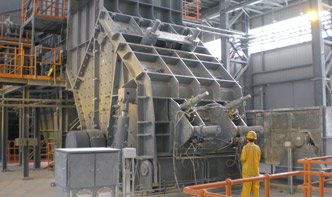
| Equipment | Key Parameters |
|---|---|
| Jaw Crusher | Inlet: 1,200×1,500mm, Power: 160kW |
| Cone Crusher | Max feed: 300mm, CSS range: 10-50mm |
| VSI Crusher | Capacity: 100-500TPH, Moisture tolerance: ≤8% |
Q: How to reduce M-Sand’s clay content?
A: Use wet processing with log washers or add dry air classifiers.
Q: Optimal fines content for concrete?
A: Maintain ≤15% passing 75µm sieve (per IS 383 Zone II).
A Malaysian granite quarry achieved Grade M60 concrete quality by:
1. Installing a VSI crusher with dual feeding
2. Adding a air classifier (-75µm removal efficiency: 85%)