Modern quarrying and mining operations demand robust primary crushing systems capable of handling large feed sizes while maintaining consistent output. Jaw crushers and gyratory crushers dominate this stage, with advanced models offering throughput capacities exceeding 2,000 tph.
| Model | Feed Opening | Max Capacity | Power |
|---|---|---|---|
| JC5460 Jaw Crusher | 1,400×1,070mm | 1,500 tph | 400 kW |
| GC4265 Gyratory | 1,650mm | 6,500 tph | 450 kW |
| HSI6066 Impact Crusher | 1,550x660mm | 800 tph | 600 kW |
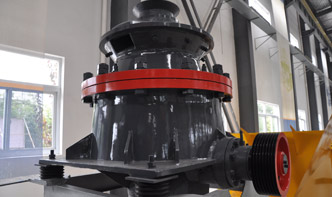
Primary stations require careful planning of feeder design (apron or vibrating), pre-screening options, and discharge conveyor specifications. Modern installations incorporate automated tramp iron protection and hydraulic adjustment systems for closed-side setting changes during operation.
Q: What determines choice between jaw and gyratory crushers?
A: Jaw crushers suit operations with space constraints and intermittent feeding. Gyratories excel in continuous high-tonnage applications but require deeper foundations.
Q: How to mitigate wear costs?
A: Implement adjustable crushing chambers, reversible wear parts, and proper feed distribution systems.
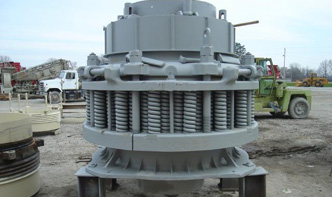
A 3-stage crushing plant featuring GC4265 gyratory primary achieved:
– 600tph basalt processing
– Final product: 0-5mm (30%), 5-10mm (25%), 10-20mm (25%), 20-31.5mm (20%)
– Wear part life: 4 months for concave liners under abrasive conditions