Feeders and mining motors are critical components in crushing and sand-making production lines, ensuring efficient material handling and processing. Vibrating feeders, such as electromagnetic or mechanical types, regulate the flow of raw materials (e.g., limestone, granite) into primary crushers. Mining motors power these systems with high torque and durability under heavy loads.
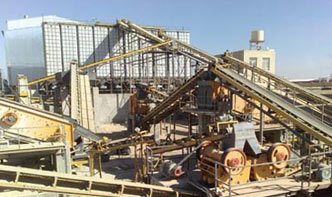
A typical line includes:
1. Primary Crusher (Jaw/Cone): Reduces large rocks to 150–300mm.
2. Secondary Crusher (Impact/Cone): Further crushes to 20–50mm.
3. Vibrating Screen: Classifies materials by size.
4. Sand Maker (VSI/HVI): Produces 0–5mm high-quality sand.
| Equipment | Model Example | Power (kW) | Capacity (t/h) |
|---|---|---|---|
| Vibrating Feeder | GZD-960×3800 | 11 | 120–400 |
| Jaw Crusher | PE-600×900 | 75 | 50–160 |
| VSI Sand Maker | S8-1145 | 250×2 | 200–350 |
Q: How to reduce feeder blockages?
A: Use adjustable grizzly bars and pre-screening for fine materials.
Q: What motor type suits high-dust environments?
A: IP65-rated explosion-proof motors with forced cooling.
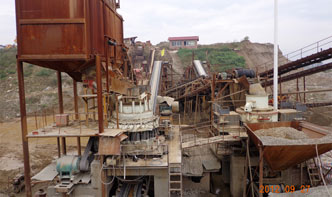
A granite processing plant in Texas upgraded to a 500tph line with:
– Feeder: Heavy-duty apron feeder (30kW motor).
– Crushers: Hydraulic jaw + multi-cylinder cone crusher.
Resulted in a 25% energy saving and 0–5mm sand yield exceeding 40%.
For optimal performance, match motor power to load demands and prioritize wear-resistant