A grizzly feeder is a critical component in rock crushing and sand production lines. It acts as a primary screening unit, separating oversized rocks from finer materials before they enter the crusher. Typically installed at the front end of the processing line, the grizzly ensures efficient material flow and protects downstream equipment from damage.
The grizzly consists of heavy-duty steel bars or grids spaced at specific intervals (usually 50-150mm). As raw material flows onto the inclined grizzly deck:
1. Smaller particles fall through the openings
2. Oversized rocks slide down to the crusher
Vibrating mechanisms (electromagnetic or mechanical) enhance material separation and prevent clogging.
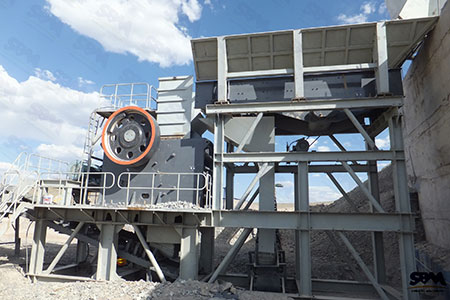
| Model | Opening Size | Capacity (t/h) | Power (kW) |
|---|---|---|---|
| GFZ0936 | 50-150mm | 100-300 | 5.5 |
| GFZ1248 | 75-200mm | 200-500 | 11 |
| GFZ1560 | 100-250mm | 400-800 | 15 |
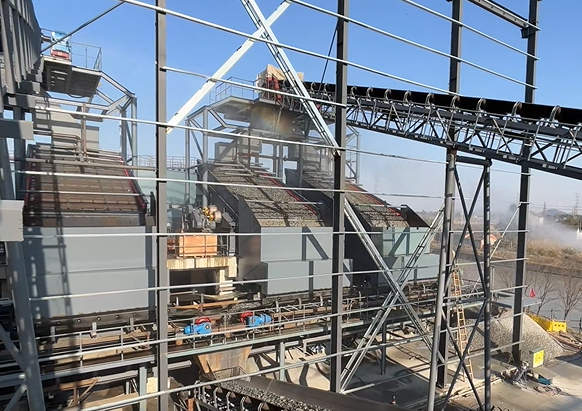
Q: How often should grizzly bars be replaced?
A: Typically every 6-12 months depending on abrasiveness of processed material.
Q: Can grizzly openings be adjusted?
A: Yes, most models allow bar spacing adjustment (±20mm) for different applications.
Q: What maintenance is required?
A: Monthly inspection of wear parts, lubrication of vibrators, and bolt tightening.
A granite processing plant in Texas implemented GFZ1248 grizzlies with 100mm spacing:
• Reduced crusher downtime by 35%
• Increased throughput to 450t/h
• Extended crusher liner life by 40%
The system paid for itself within 8 months through reduced maintenance costs and improved efficiency.