Tracked jaw crushers offer mobility advantages but may have higher operating costs than stationary plants due to fuel consumption and maintenance. However, their flexibility reduces material transport expenses in multi-site projects. Key factors include fuel efficiency (e.g., C9.3 engine at 261 kW), wear part replacement cycles (jaw plates: 500–1,000 hours), and track maintenance (every 250 hours).
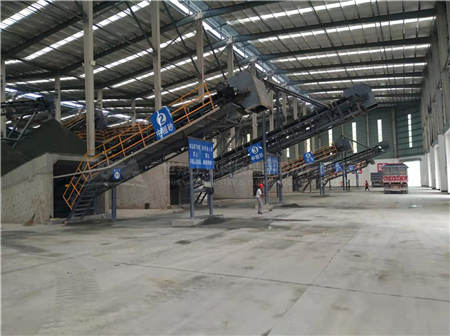
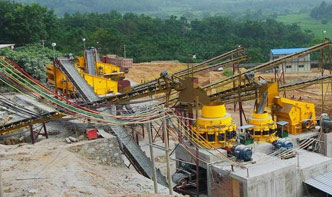
A typical aggregate production line includes:
1. Primary Crushing: Tracked jaw crusher (e.g., Feed size: 650×1,100 mm, Capacity: 200–400 t/h)
2. Secondary/Tertiary Crushing: Cone crusher or impact crusher
3. Sand Making: VSI crusher (Output: 50–300 t/h)
4. Screening: Multi-deck vibratory screens
5. Conveying: Radial stackers or fixed conveyors
| Equipment | Model | Power (kW) | Capacity (t/h) |
|---|---|---|---|
| Tracked Jaw Crusher | J-1480 | 261 | 200–400 |
| Cone Crusher | C-1554 | 328 | 250–450 |
| VSI Crusher | CV217 | 132 | 80–210 |
Q: How to reduce tracked crusher operating costs?
A: Optimize feed size, use hybrid power options, and schedule regular track lubrication.
Q: Which is better for granite crushing—jaw or cone crusher?
A: Jaw for primary crushing (high compression strength), cone for secondary (finer output).
Project: Limestone quarry in Texas, USA
Solution: Tracked jaw crusher + cone crusher +