Manufactured sand (M-sand) has emerged as a sustainable alternative to natural river sand in construction, driven by environmental regulations and the depletion of natural resources. This review focuses on crushing and sand-making production lines, highlighting key equipment and their roles in producing high-quality aggregates.
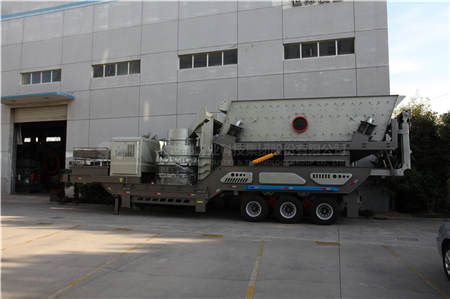
A typical M-sand production line includes primary crushing (jaw crusher), secondary crushing (cone crusher), vertical shaft impact (VSI) crusher for shaping, and screening equipment. The VSI crusher is critical for achieving cubical particles and optimal gradation. Modern systems integrate dust suppression and automation for efficiency.
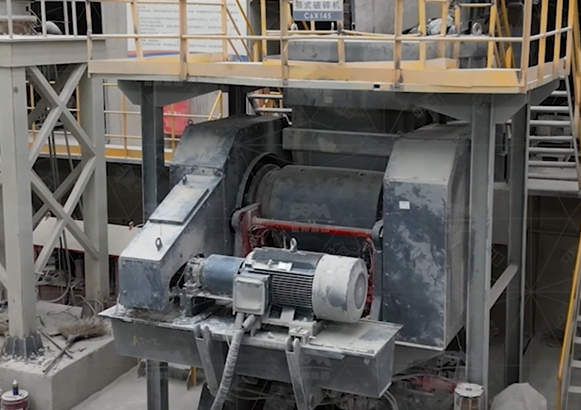
| Equipment | Model | Capacity (t/h) | Power (kW) |
|---|---|---|---|
| Jaw Crusher | PE600×900 | 50-160 | 75 |
| Cone Crusher | HPT300 | 120-350 | 315 |
| VSI Crusher | S8-1145 | 100-260 | 250×2 |
| Screening Machine | 3YK3070 | 80-500 | 37×2 |
A 200tph plant configured with PE750×1060 jaw crusher, HST315 cone crusher, and S8-1260 VSI achieved:
– Product fineness modulus: 2.8-3.0
– Powder content ≤10%
– Production cost reduction by 18% vs river sand
Q1: How does M-sand compare to river sand?
A: M-sand offers better gradation control, lower impurity content, and consistent quality but requires proper shaping equipment.
Q2: What’s the typical investment for a 100tph plant?
A