Silica sand feeding equipment is critical in crushing and sand-making production lines, ensuring consistent material flow to crushers, screens, and mills. Common types include vibrating feeders, belt feeders, and apron feeders, each designed for specific capacity and material size requirements.
A complete silica sand production line typically includes:
1. Primary Jaw Crusher: Breaks large raw silica into smaller chunks (e.g., feed size: ≤1,000mm; output: 50-200mm).
2. Secondary Cone Crusher: Further reduces particle size (output: 10-30mm).
3. Sand Maker (VSI Crusher): Produces finely graded silica sand (0-5mm).
4. Vibrating Screen: Separates particles into desired sizes (e.g., 3-4 decks with 0.5-10mm mesh).
5. Sand Washer: Removes impurities (clay, dust) for high-purity sand (>98% SiO₂).
| Equipment | Model Example | Capacity (t/h) | Power (kW) | Output Size (mm) |
|——————–|—————|—————-|————|——————|
| Vibrating Feeder | GZD-960×3800 | 80-150 | 7.5 | ≤500 |
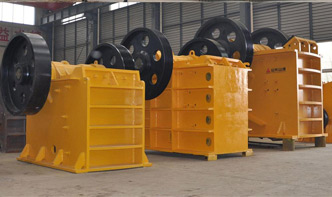
| Jaw Crusher | PE600×900 | 50-120 | 55 | 65-160 |
| VSI Sand Maker | B-9100SE | 100-260 | 250 | 0-5 |
Q1: What’s the lifespan of silica sand feeding equipment?
A: Properly maintained feeders last 5-8 years; wear-resistant liners can extend service life.
Q2: How to reduce dust in silica sand processing?
A: Use enclosed conveyors, install dust collectors, and wet processing where feasible.
Project: A quartz sand plant in Australia processed 200t/h raw ore. The line included a GZD feeder → PE jaw crusher → HPT cone crusher → VSI sand