In sand and gravel production lines, equipment selection significantly impacts final product quality and operational efficiency. Roller crushers and hammer mills serve distinct purposes, but roller crushers offer unique advantages for specific applications.
Roller crushers excel in producing uniform particle size distribution with minimal fines generation. Their intermeshing rollers create consistent compressive force, ideal for medium-hard to hard materials like granite or basalt. Key benefits include:
– Lower energy consumption (typically 15-30% less than hammer mills)
– Reduced wear part replacement frequency
– Quieter operation with less vibration
– Better control over final product gradation
| Parameter | Double Roller Crusher | Hammer Mill |
|---|---|---|
| Feed Size | ≤50mm | ≤200mm |
| Product Size | 2-10mm (adjustable) | 0-25mm (variable) |
| Capacity Range | 5-500 t/h | 10-300 t/h |
| Power Consumption | 11-90 kW | 18-160 kW |
| Wear Part Life | 6-12 months | 3-6 months |
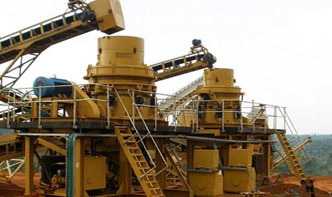
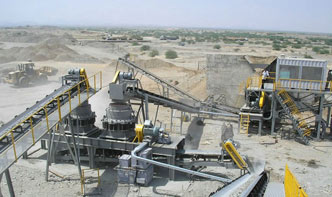
For high-quality aggregate production, a typical setup might include:
1. Primary jaw crusher
2. Secondary roller crusher
3. Tertiary vertical shaft impactor (for shaping)
4. Multi-deck screening system
Q: When should I choose a hammer mill instead?
A: Hammer mills work better for softer materials or when higher reduction ratios are needed from single-stage crushing.
Q: Can roller crushers handle wet material?
A: Yes, but with reduced capacity. Special grooved rollers improve wet material processing.
A Malaysian granite quarry replaced their hammer mills with roller crushers in their secondary crushing stage, achieving: