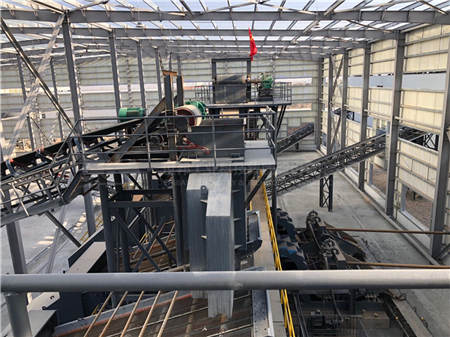
Modern ballast feeding systems are critical components in crushing and sand-making production lines, ensuring consistent material flow and optimal processing efficiency. Leading manufacturers design robust feeders capable of handling coarse aggregates up to 800mm in size, with capacities ranging from 100-1,500TPH depending on plant configuration.
| Model | Max Feed Size (mm) | Capacity (TPH) | Power (kW) |
|---|---|---|---|
| BF-800 | 800 | 300-500 | 22 |
| BF-1000 | 1000 | 500-800 | 37 |
| BF-1500 | 1200 | 800-1500 | 55 |
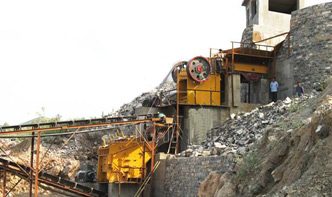
Advanced ballast feeders incorporate adjustable stroke control (5-20mm) and frequency conversion drives (±10% speed adjustment) to match downstream crusher requirements. The heavy-duty steel construction withstands impact loads exceeding 50J/cm², while wear-resistant liners (400HB hardness) extend service life in abrasive conditions.
Q: How to prevent material bridging?
A: Implement vibrating grids or hydraulic clearing systems above the feeder hopper.
Q: Recommended maintenance interval?
A: Lubricate bearings every 500 hours; inspect wear parts every 3 months.
A Malaysian operator achieved 22% energy savings by replacing conventional apron feeders with our BF-1000 model featuring:
• Intelligent load sensing
• Remote monitoring interface
• Modular wear components
The system maintains ±2% feed rate accuracy while processing 650TPH of granite feedstock.