Vibrating screens are critical components in sand and aggregate production lines, but bearing overheating remains a common issue leading to downtime. Excessive heat generation often stems from misalignment, inadequate lubrication, or overloading. Modern screens like the VS-2050 model feature reinforced bearings with automatic lubrication systems (grease interval: 8 hrs, max temp: 85°C) to combat this problem.
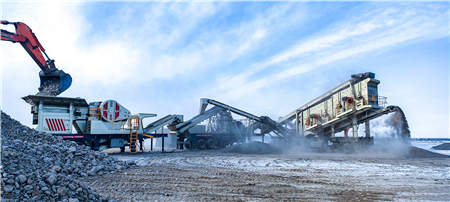
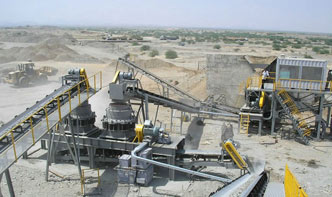
A typical 200tph granite processing line includes:
1. Primary jaw crusher (PE-600×900, 75kW)
2. Secondary cone crusher (HPT300, 160kW)
3. Vibrating screen (3YK2160, 30kW, screening efficiency ≥90%)
4. Sand maker (VSI-1140, 250kW)
| Equipment | Key Parameters |
|---|---|
| VS Series Screen | Amplitude: 4-6mm, Frequency: 800-1000rpm |
| HPT Cone Crusher | Max Feed Size: 240mm, Capacity: 90-350tph |
Q: Why does screen mesh break frequently?
A: Typically caused by material impact or tension imbalance. Use polyurethane meshes (life span: 3-6 months) instead of steel wire for abrasive materials.
Q: How to reduce vibration transmission?
A: Install rubber damping pads (20mm thickness recommended) between screen base and foundation.
In a Malaysian limestone project, replacing conventional bearings with SKF Explorer spherical roller bearings extended service intervals from 3 to 8 months despite high humidity conditions. The solution included:
– Bearing clearance adjustment to C3 grade
– Installation of temperature sensors (alarm at 75°C)
– Weekly vibration monitoring (<7.1mm/s RMS)
Proper maintenance protocols can increase vibrating screen lifespan by 40% while reducing energy consumption by up to 15% through optimized operation parameters.