Vibrating feeders are critical components in crushing and sand-making production lines, ensuring uniform material flow to crushers, screens, and conveyors. Here’s a technical guide to constructing a heavy-duty vibrating feeder optimized for aggregate applications.
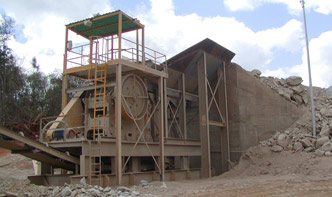
– Frame: Fabricated from 10mm thick Q345B steel with reinforced crossbeams
– Vibration Motor: Dual 1.5kW motors (980 RPM) with adjustable eccentric blocks
– Trough: 1200mm x 3000mm wear-resistant steel plate (Hardox 400 lining)
– Spring System: Four rubber isolation springs (Ø200x100mm)
– Capacity: 50-150TPH (adjustable via motor inclination)
| Parameter | Value |
|---|---|
| Trough Dimensions | 1200x3000mm |
| Max Feed Size | 500mm |
| Vibration Frequency | 15-20Hz |
| Motor Power | 2×1.5kW |
| Operating Angle | 10-25° adjustable |
This feeder design complements primary jaw crushers (e.g., PE600×900) and secondary cone crushers in typical 200TPH granite processing plants. The adjustable vibration amplitude prevents material bridging while maintaining optimal feed rates for downstream equipment.
Q: How to prevent material segregation?
A: Install tapered side plates (70° inclination) and reduce vibration amplitude for sticky materials.
Q: What maintenance is required?
A: Monthly inspection of motor bearings (grease type: Lithium EP-2) and quarterly spring replacement.
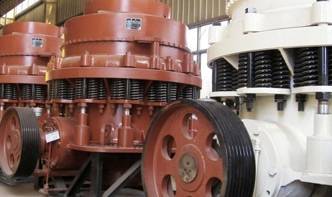
A basalt processing plant in Malaysia implemented this feeder design ahead of their JC546 jaw crusher, achieving:
– 22% reduction in crusher idle time
– Consistent 120TPH feed rate (±3% variation)
– Liner lifespan extended to 18 months
Proper feeder construction significantly impacts overall production line efficiency. Always conduct