A magnetic separator is a critical component in crushing and sand-making plants, designed to remove ferrous contaminants from raw materials. Integrated into the production line, it ensures higher purity of final aggregates and protects downstream equipment from metal damage.
1. Primary Crusher: Jaw or gyratory crushers (e.g., feed size up to 1500mm, capacity 200–800 TPH).
2. Secondary Crusher: Cone or impact crushers for finer crushing (output size 20–50mm).
3. Magnetic Separator: Typically installed after crushing stages. Common types include:
– Overband Magnets: For coarse removal (field strength: 8,000–15,000 Gauss).
– Drum Magnets: For fine particles (capacity: 50–300 TPH).
4. Sand Maker: VSI crushers produce 0–5mm sand with high cubicity.
5. Screening & Washing: Vibrating screens and log washers for grading and cleaning.
| Model | Capacity (TPH) | Power (kW) | Field Strength (Gauss) | Weight (kg) |
|————-|—————-|————|————————-|————-|
| MS-500 | 50–100 | 3.0 | 10,000 | 1,200 |
| MS-1000 | 100–200 | 5.5 | 12,500 | 2,500 |
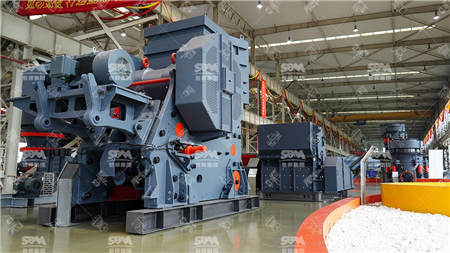
Q1: Where should the magnetic separator be placed in the line?
A: After primary/secondary crushing to protect conveyors and tertiary crushers.
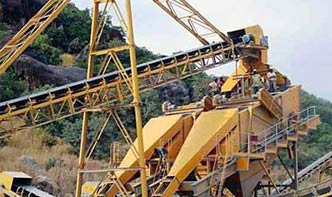
Q2: Can it remove non-ferrous metals?
A: No, only ferrous materials; eddy current separators are used for non-ferrous metals.
A granite quarry in Australia integrated an MS-1000 overband magnet after the cone crusher, reducing metal contamination by 98% and extending screen life by 40%. The plant achieved a final