Rotary screens play a critical role in coal crushing and screening operations, ensuring efficient separation of coal particles by size while minimizing fines generation. These robust machines are widely used in coal preparation plants, power stations, and mining operations to improve product quality and reduce downstream processing costs.
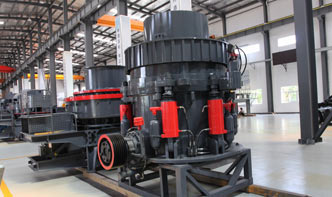
Rotary screens, also known as trommel screens, consist of a cylindrical drum with perforated plates or mesh panels. As coal enters the rotating drum, finer particles pass through the screen openings while oversized material is discharged at the end. The screening efficiency depends on factors such as:
– Rotational speed (typically 15–25 RPM)
– Screen inclination (3°–5° for optimal material flow)
– Aperture size (customizable based on coal gradation requirements)
Modern rotary screens incorporate adjustable baffles and spray bars for wet screening applications, enhancing dust suppression and improving separation accuracy.
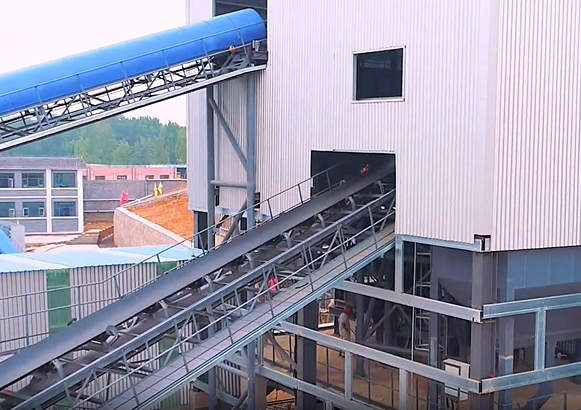
Below is a comparison of common rotary screen models used in coal crushing:
| Model | Diameter (m) | Length (m) | Capacity (t/h) | Power (kW) | Screen Mesh Range (mm) |
|—————-|—————-|—————|——————-|————–|————————–|
| RS-1224 | 1.2 | 2.4 | 50–80 | 7.5 | 5–50 |
| RS-1530 | 1.5 | 3.0 | 100–150 | 11 | 5–75 |
| RS-1845 | 1.8 | 4.5 | 200–300 | 18.5 | 10–100 |
While vibrating screens are common alternatives, rotary screens offer distinct benefits for coal applications:
1. Gentler Handling: Reduced degradation of friable coal particles.
2. Self-Cleaning Design: Less clogging due to continuous rotation.
3. Lower Maintenance: Fewer moving parts compared to vibratory mechanisms.
However, rotary screens may require more floor space and higher initial