A gold processing plant typically involves crushing, grinding, leaching, and refining stages. The crushing circuit is critical for liberating gold particles from ore. Below we outline key equipment and cost considerations for a standard gold ore processing line.
The primary crusher (e.g., jaw crusher) reduces large ore chunks to ~150mm. Secondary crushing (cone crusher) further reduces size to ~20mm. A ball mill then grinds the material to 75-100 microns for leaching.
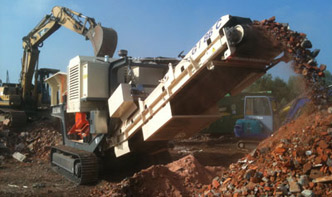
Key Equipment Parameters:
| Equipment | Model Example | Capacity (t/h) | Power (kW) |
|——————–|————–|—————-|————|
| Jaw Crusher | PE600×900 | 50-160 | 55-75 |
| Cone Crusher | HP300 | 90-250 | 220 |
| Ball Mill | MQG2700×3600 | 50-80 | 400 |
Capital costs range $5M-$20M depending on scale (100-1,000tpd). Major expenses include:
– Crushing/grinding equipment: ~35% of total
– Leaching/CIP tanks: ~25%
– Auxiliary systems (conveyors, pumps): ~15%
Operating costs average $15-$30/ton, with energy consumption being the largest variable.
Q: What’s the optimal feed size for gold leaching?
A: Ideally ≤75μm to ensure high recovery rates (>90%).
Q: How to reduce grinding costs?
A: Pre-concentration (e.g., gravity separation) can cut feed volume by 20-30%.
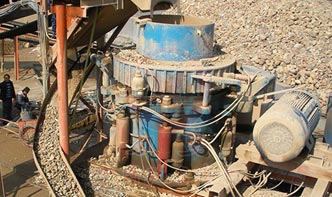
A 500tpd plant used a three-stage crushing circuit (jaw + cone + VSI) + ball mill, achieving 92% recovery. Total CAPEX: $12M; OPEX: $22/ton.