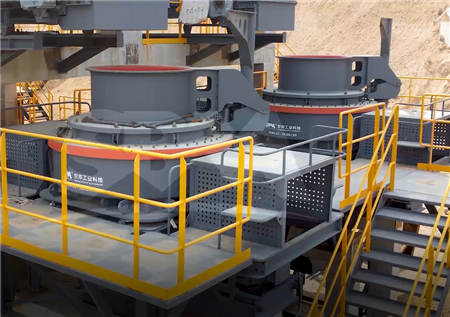
A vermiculite processing plant typically includes crushing, screening, drying, and expansion systems. Key equipment comprises jaw crushers for primary crushing, impact crushers or cone crushers for secondary reduction, and vibrating screens for grading. The expanded vermiculite requires rotary kilns (operating at 900–1000°C) for thermal treatment.
| Equipment | Model | Capacity (t/h) | Power (kW) |
|---|---|---|---|
| Jaw Crusher | PE-400×600 | 15–40 | 30 |
| Cone Crusher | PYB900 | 50–90 | 55 |
| Rotary Kiln | Φ1.9×36m | 3–5 | 75 |
| Screening Machine | YK1545 | 20–80 | 7.5 |
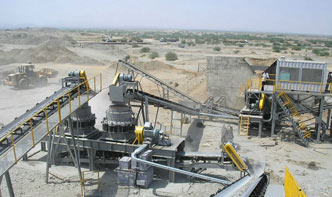
Modern plants integrate dust collectors (e.g., pulse bag filters) and water recycling systems to minimize environmental impact. Energy-efficient designs reduce operating costs by 15–20% compared to traditional setups.
Q: What’s the typical vermiculite expansion ratio?
A: Commercial-grade vermiculite expands 8–12 times when heated above 800°C.
Q: How to control moisture in raw ore?
A: Rotary dryers with 10–15% residual moisture output are recommended before expansion.
A 50,000 t/y facility achieved 94% purity using a two-stage crushing circuit (jaw + cone crushers) and gas-fired rotary kilns. Total investment: ~$1.8M USD