Crusher run and #57 stone are both aggregates used in construction, but they serve distinct purposes. Crusher run is a blended mix of coarse and fine particles (typically 0-1.5″) with stone dust, creating a compactable base ideal for driveways or road foundations. #57 stone, however, is uniformly sized (0.75″-1″) crushed limestone or granite, primarily used for drainage, concrete mixes, or decorative landscaping due to its clean appearance and permeability.
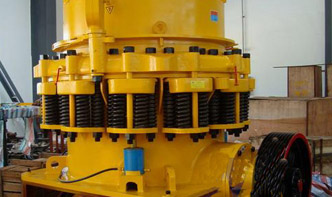
Modern aggregate plants utilize jaw crushers for primary crushing (e.g., PE600×900 with 75-200tph capacity) and cone crushers (like HP300 producing 50-500tph) for secondary reduction. For shaping #57 stone, vertical shaft impactors (VSI) such as CV218 (180-355tph) ensure cubical particle geometry.
| Parameter | Crusher Run | 57 Stone |
|---|---|---|
| Particle Size | 0-1.5″ graded | 0.75″-1″ uniform |
| Compaction | High (90% Proctor) | Low (drainage) |
| Typical Uses | Sub-base layers | Drainage/decoration |
| Silt Content | >5% fines | >3% fines max. |
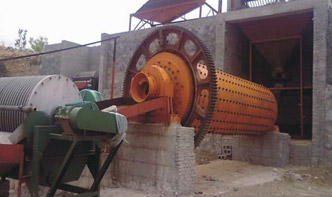
Multi-deck screens (e.g., FS303 with 400tph capacity) separate crusher run fractions, while log washers remove clay from #57 stone. Dewatering screens like 2×4 ensure <10% moisture content.
Q: run replace #57 stone?
A: No—crusher run lacks drainage properties due to fines content.
Q: What’s the optimal crusher setting for #57?<