The capacity of a screw conveyor is calculated using the following formula:
Q = 60 × (π/4) × D² × n × S × ψ × C
Where:
– Q: Capacity (m³/h)
– D: Screw diameter (m)
– n: Rotational speed (rpm)
– S: Pitch (m, typically 0.8–1.0 × D)
– ψ: Filling coefficient (0.15–0.45, depending on material)
– C: Inclination factor (1 for horizontal, <1 for inclined)
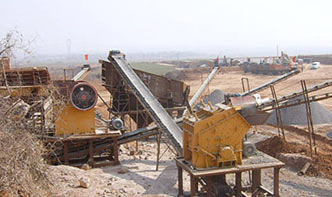
A complete sand and aggregate production line typically includes:
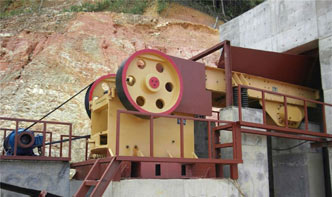
1. Primary Crusher: Jaw crusher (e.g., Feed size: ≤1200mm, Output: 50–800 t/h).
2. Secondary Crusher: Cone crusher or impact crusher (e.g., Output: 100–500 t/h).
3. Sand Maker: VSI crusher (e.g., Max feed size: 50mm, Output: 60–520 t/h).
4. Screening: Vibrating screen (e.g., Layers: 2–4, Capacity: 10–500 t/h).
5. Conveying: Belt conveyors/screw conveyors (Capacity customized).
| Equipment | Model Example | Max Feed Size | Output Capacity | Power |
|—————–|—————|—————|——————|————-|
| Jaw Crusher | PE750×1060 | 630mm | 110–320 t/h | 110 kW |
| Cone Crusher | HPT300 | 240mm | 200–500 t/h | 250 kW |
| VSI Crusher | B9100SE | 50mm | 260–520 t/h | 400 kW |
Q1: How to choose between cone and impact crushers?
A: Cone crushers suit hard rocks; impact crushers are better for softer materials.
Q2: What affects screw conveyor capacity?