The jaw crusher is a primary crushing equipment with a unique geometrical design, featuring fixed and movable jaw plates forming a “V” shape. This structure enables efficient compression crushing, ideal for hard rock like granite and basalt. The optimized cavity geometry ensures high reduction ratios (typically 6:1) and uniform particle size distribution.
| Model | Feed Opening (mm) | Max Feed Size (mm) | Capacity (t/h) | Power (kW) |
|---|---|---|---|---|
| PE-400×600 | 400×600 | 340 | 16-64 | 30 |
| PE-750×1060 | 750×1060 | 630 | 110-320 | 110 |
| PE-1200×1500 | 1200×1500 | 1020 | 400-800 | 160-220 |
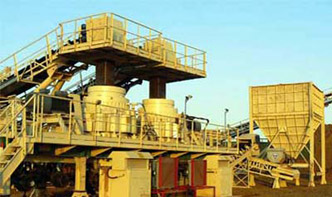
The complete production line typically includes:
1. Primary jaw crushing → Secondary cone/impact crushing → Vibrating screening → Sand making (VSI crusher) → Gradation control → Finished aggregates.
Q1: How to reduce jaw plate wear?
A: Maintain proper feed size (≤80% of inlet width) and use manganese steel plates with hardness ≥HB200.
Q2: What’s the optimal moisture content for sand-making?
A: Below 3% for dry process; up to 8% for wet processing systems.
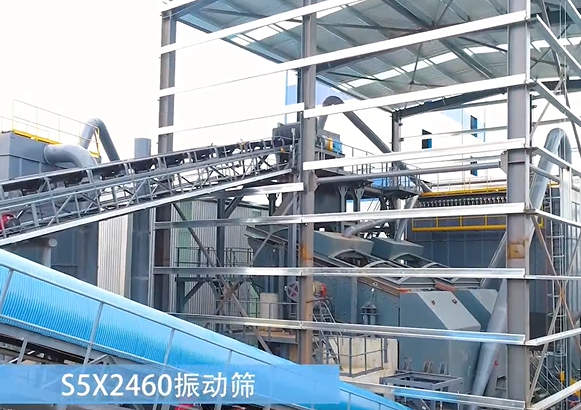
Configuration:
– Primary: PE900×1200 Jaw Crusher
– Secondary: HPT300 Cone Crusher
– Tertiary: VSI1145 Sand Maker
Output: 200t/h high-quality aggregates meeting ASTM C33 standards, with 95% utilization rate of raw materials