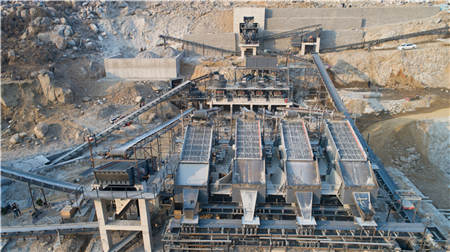
Iron ore mining typically involves drilling, blasting, hauling, and crushing. After extraction, raw iron ore undergoes primary crushing (<1000mm) and secondary/tertiary crushing (<30mm) before grinding for beneficiation. Modern mines rely on high-efficiency crushing-screening lines to produce uniform aggregates.
A complete sand-making system includes:
1. Primary Jaw Crusher (Feed size: ≤1200mm, Output: 50-800TPH)
2. Cone Crusher (Max feed: ≤560mm, Adjustment range: 3-60mm)
3. Vertical Shaft Impact Crusher (Sand yield: 50-650TPH)
4. Vibrating Screen (Layers: 1-4, Screening efficiency: ≥90%)
| Equipment | Key Parameters |
|---|---|
| C6X Jaw Crusher | Feed opening 1600×1200mm, Power 160kW |
| HPT Cone Crusher | Cavity type EC-C, Discharge range 6-38mm |
| VSI6X Sand Maker | Throughput 100-583TPH, Rotor speed 900-1200rpm |
| S5X Vibrating Screen | Screening area 8.75m², Amplitude 5.5mm |
Q1: What’s the ideal moisture content for sand production?
A: Below 5% minimizes material sticking.
Q2: How to reduce crusher wear costs?
A: Use multi-layer rotor designs (+30% lifespan) and tungsten carbide tips.
A Tanzanian mine achieved:
– Daily output: 15,000 tons
– Final product: 0-5mm/5-10mm/10-