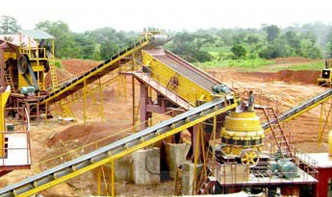
Crushing and grinding rock machines are critical components in modern aggregate production lines, transforming raw materials into high-quality sand and gravel for construction. These systems typically include jaw crushers, cone crushers, impact crushers, and sand-making machines, each serving specific roles in size reduction and shaping.
1. Primary Jaw Crusher: Handles large rocks (up to 1,500mm) with outputs adjustable between 150–300mm. Models like PE-600×900 offer capacities of 50–160 t/h.
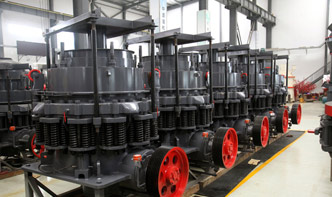
2. Secondary Cone Crusher: Fine-crushes materials to 20–50mm. The HP300 model processes up to 200 t/h with a 220kW motor.
3. Vertical Shaft Impact (VSI) Crusher: Produces cubic-shaped sand (0–5mm). A typical VSI-1140 achieves 120–180 t/h using twin 160kW motors.
| Equipment | Model | Capacity (t/h) | Power (kW) |
|---|---|---|---|
| Jaw Crusher | PE-600×900 | 50–160 | 75 |
| Cone Crusher | HP300 | 200 | 220 |
| VSI Crusher | VSI-1140 | 120–180 | 320 (total) |
Q: What’s the lifespan of wear parts in a VSI crusher?
A: Tungsten carbide tips last ~120 hours for abrasive granite; manganese liners endure ~500 hours.
Q: Can one line produce multiple aggregate sizes?
A: Yes, screens and adjustable crushers allow simultaneous output of 0–5mm sand, 5–20mm, and 20–40mm gravel.
A Malaysian quarry upgraded to a 250 t/h line with PE750×1060 jaw +