A gypsum plaster production line integrates crushing, grinding, calcination, and packaging to transform raw gypsum into high-quality plaster powder. Key equipment includes jaw crushers, hammer crushers, Raymond mills, and rotary kilns. The process ensures uniform particle size (<0.075mm) and controlled calcination temperatures (150–180°C) for optimal hydration performance.
| Equipment | Model | Capacity (t/h) | Power (kW) |
|---|---|---|---|
| Jaw Crusher | PE-400×600 | 15–40 | 30 |
| Hammer Crusher | PC-800×600 | 20–25 | 55 |
| Raymond Mill | 4R3216 | 3–8 | 75 |
| Rotary Kiln | Φ2.5×40m | 10–12 | 55 |
The semi-dry method reduces energy consumption by 30% compared to traditional dry processes. It combines pre-drying with grinding, achieving moisture content below 5% and fineness of 80–120 mesh.
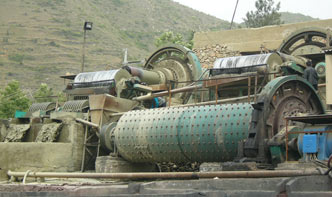
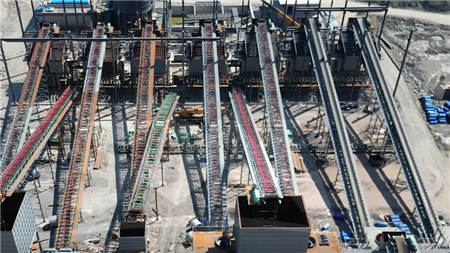
The same crushing system can process gypsum and limestone aggregates (5–20mm). Shared conveyors and screens lower CAPEX for dual-purpose plants.
– Low plaster strength?
Check calcination temperature uniformity (±5°C deviation allowed).
– Excessive dust?
Inspect bag filters’ pressure drop (>1500Pa indicates clogging).
– Crusher jamming?
Verify feed size <350mm for PE-400×600 jaw crushers.
A 200tpd line achieved 98% passing 200 mesh with 18% energy savings using:
– Two-stage crushing (jaw + hammer