Gypsum roller crushers are widely used in India’s sand and aggregate production lines due to their high efficiency and low energy consumption. These crushers specialize in processing medium-hard materials like gypsum, limestone, and clinker, producing uniform particle sizes ideal for construction aggregates.
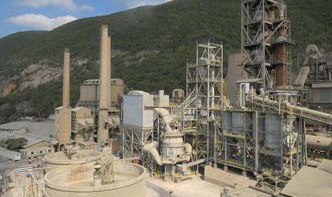
A typical gypsum processing line includes:
1. Primary Jaw Crusher (Feed size: ≤750mm)
2. Gypsum Roller Crusher (Output: 5-50mm)
3. Vertical Shaft Impact Crusher (Sand making)
4. Vibrating Screen (Multi-layer grading)
5. Belt Conveyor System
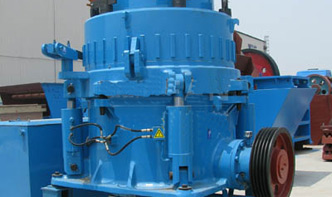
| Model | Roller Diameter(mm) | Capacity(t/h) | Power(kW) |
|---|---|---|---|
| 2PG0806 | 800 | 20-50 | 22×2 |
| 2PG1008 | 1000 | 40-80 | 37×2 |
| 2PG1208 | 1200 | 60-120 | 55×2 |
A 200TPH gypsum crushing plant in Gujarat uses:
– Primary crushing: PE750×1060 jaw crusher
– Secondary crushing: 2PG1008 roller crusher
– Final product: 0-5mm(40%), 5-10mm(30%), 10-20mm(30%)
Q1: What’s the moisture tolerance of roller crushers?
A: Typically handles materials with ≤8% moisture content.
Q2: How to reduce roller wear?
A: Use tungsten carbide overlays and maintain proper feed size (<50mm).
Q3: Typical maintenance interval?
A: Bearing lubrication every 400 hours; full inspection every 2000 hours.
The right configuration of gypsum roller crushers significantly improves aggregate quality while reducing production costs, making them