Roller conveyor pitch is critical for efficient material handling in crushing and sand-making production lines. The optimal pitch depends on material size, belt speed, and load capacity. For aggregates like limestone or granite (feed size: ≤50mm), a standard pitch of 150-200mm works well, while larger rocks (>100mm) require 300-400mm spacing.
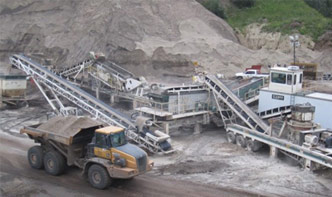
| Equipment | Model | Conveyor Pitch (mm) | Capacity (t/h) |
|---|---|---|---|
| Jaw Crusher | PE600×900 | 200 | 50-160 |
| Cone Crusher | HPT300 | 250 | 120-310 |
| VSI Sand Maker | S8-1145 | 150 | 150-380 |
| Trommel Screen | TDS1848 | 300 | 80-200 |
A 250tph granite crushing line adopted roller conveyors with 350mm pitch to handle 0-400mm raw stones. The configuration included:
1. Primary crushing: GZD1100×4200 feeder + PE750×1060 jaw crusher
2. Secondary crushing: HST315 cone crusher
3. Tertiary shaping: VSI6X1263 sand maker
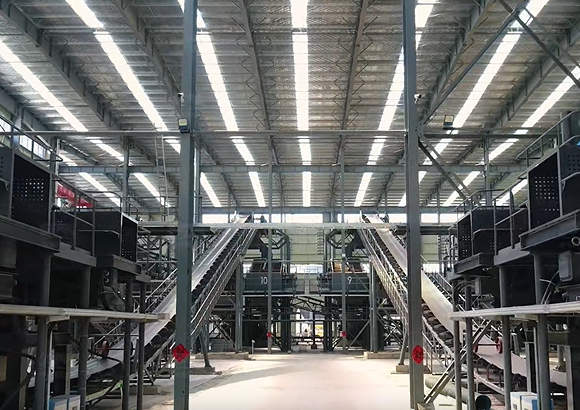
Post-installation data showed 18% reduction in material blockage compared to the previous 250mm pitch system.
Q1: Can we use fixed pitch rollers for multi-stage crushing?
A: Not recommended. Adjustable pitch systems (e.g., hydraulic spacing) are better for plants processing varied feed sizes.
Q2: How does conveyor pitch affect wear life?
A: Smaller pitches increase roller count by 15-20%, potentially reducing individual roller lifespan due to higher rotation frequency.
Q3: