Limestone crushing plants are essential for producing high-quality aggregates used in construction, road building, and cement manufacturing. In India, where limestone reserves are abundant, efficient crushing solutions ensure optimal resource utilization.
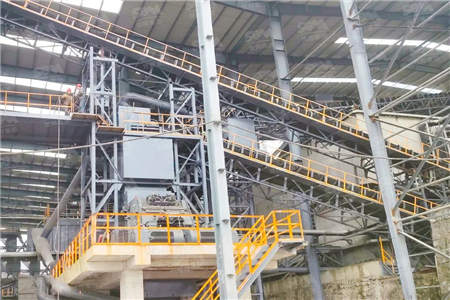
A typical limestone crushing plant includes:
1. Primary Jaw Crusher: Processes large raw limestone (≤1200mm) into smaller chunks (150-300mm). Example model: PE-600×900 with 75kW motor power.
2. Secondary Cone Crusher: Further reduces material to ≤50mm. Popular choice: HPT300 (220kW, throughput 200-250tph).
3. Tertiary Impact Crusher/VSI: Produces cubical sand (0-5mm) for concrete. Model: VSI6X1263 (315kW, capacity 150-350tph).
| Stage | Equipment | Output Size | Capacity (tph) |
|---|---|---|---|
| Primary | Jaw Crusher | 150-300mm | 100-500 |
| Secondary | Cone Crusher | 20-50mm | 80-400 |
| Tertiary | VSI Crusher | 0-5mm sand | 50-350 |
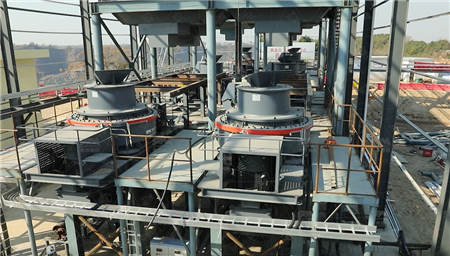
Vibrating screens (e.g., 3YK3070, 75kW) classify materials into multiple grades. Belt conveyors (B800-B1400) connect units with dust suppression systems complying with Indian pollution norms.
Q1: What’s the lifespan of crusher wear parts?
A: Jaw plates last ~6 months; cone mantles ~4 months under normal conditions (~200tph abrasive limestone).
Q2: Power requirements for a 200tph plant?
A: Approximately 500-600kW including auxiliaries