The manganese ball mill is a key grinding equipment widely used in mining, cement, and aggregate production lines. Designed for durability and efficiency, it processes raw materials like limestone, granite, and basalt into fine powders or sand-sized particles for construction and industrial applications.
– Material: High manganese steel liners (Mn13Cr2/Mn18Cr2) for wear resistance.
– Capacity: 0.65–615 t/h (varies with model).
– Motor Power: 18.5–4500 kW.
– Rotation Speed: 14–38 rpm (adjustable).
– Feed Size: ≤25 mm (for fine grinding).
| Model | Capacity (t/h) | Power (kW) | Weight (t) |
|---|---|---|---|
| MQY0918 | 0.65–3.6 | 18.5 | 5.6 |
| MQY2740 | 10–32 | 400 | 64 |
| MQY5585 | 87–615 | 4500 | 338 |
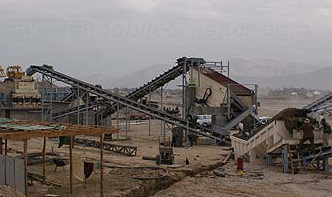
A typical sand/aggregate production line includes:
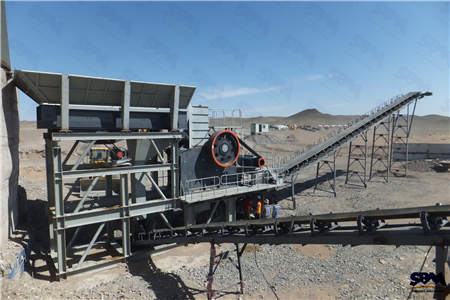
1. Primary Crushing: Jaw crusher (e.g., PE600×900).
2. Secondary Crushing: Cone crusher (e.g., HP300).
3. Grinding: Manganese ball mill (e.g., MQY2740).
4. Screening: Vibrating screen (e.g., 3YK1860).
– Q: What’s the lifespan of manganese liners?
A: ~12–24 months, depending on abrasiveness of material.
– Q: Can it grind wet materials?
A: Yes, wet grinding reduces dust and improves efficiency.
– Q: Maintenance tips?
A: Regularly check lubrication and liner wear;