The primary jaw crusher is a critical component in gold ore processing plants, designed to handle large feed sizes and deliver high reduction ratios. Its robust construction ensures durability under harsh mining conditions while maintaining efficient crushing performance.
– High Capacity: Processes up to 1,500 tons/hour depending on model.
– Adjustable Discharge: Hydraulic or mechanical settings for precise output control (typically 50–250 mm).
– Wear-Resistant Plates: Manganese steel jaws extend service life.
– Low Maintenance: Simple design reduces downtime.
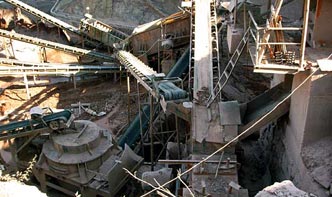
A complete gold ore crushing line often includes:
1. Primary Jaw Crusher (e.g., PE-900×1200)
2. Secondary Cone Crusher
3. Vibrating Screen
4. Belt Conveyors
| Model | Feed Opening (mm) | Max Feed Size (mm) | Capacity (t/h) |
|---|---|---|---|
| PE-600×900 | 600×900 | 500 | 50–160 |
| PE-750×1060 | 750×1060 | 630 | 110–320 |
| PE-900×1200 | 900×1200 | 750 | 220–450 |
Q: What is the optimal feed size for a primary jaw crusher?
A: Typically ≤80% of the crusher’s feed opening width to prevent blockages.
Q: How often should jaw plates be replaced?
A: Depends on abrasiveness; gold ore may require inspection every 500–1,000 hours.
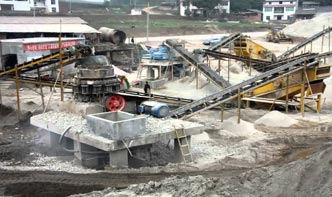
Project: Tanzania Gold Mine (2023)
Solution: Installed PE-900×1200 jaw crusher with a 200 t/h capacity, achieving 85% passing