A stone crushing plant transforms raw rock into construction-grade aggregates through systematic processes. Below is a detailed breakdown of the workflow and equipment used in a typical setup.
1. Primary Crusher (Jaw Crusher)
– Model: PE-600×900
– Feed Size: ≤500mm
– Capacity: 50–160 t/h
– Power: 55–75 kW
2. Secondary Crusher (Cone Crusher/Hammer Crusher)
– Model: HP300 (Cone) / PCX800×800 (Hammer)
– Output Size: ≤30mm (adjustable)
– Capacity: 100–200 t/h
3. Vibrating Screen
– Model: 3YK1860
– Layers: 3
– Screening Efficiency: ≥90%
4. Sand Maker (VSI Crusher) – Optional for manufactured sand production.
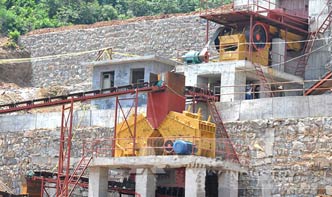
1. Feeding: Raw material is loaded into the primary crusher via a vibrating feeder.
2. Crushing: Primary and secondary crushers reduce rock size progressively.
3. Screening: Vibrating screens classify aggregates into multiple grades (e.g., 0–5mm, 5–20mm).
4. Sand Making: Oversized particles are redirected to sand makers for refinement.
Q1: How to control dust pollution?
A: Use water sprays or install bag filters at transfer points.
Q2: What’s the lifespan of wear parts?
A: Jaw plates last ~6 months; cone crusher mantles ~3 months (depends on material hardness).
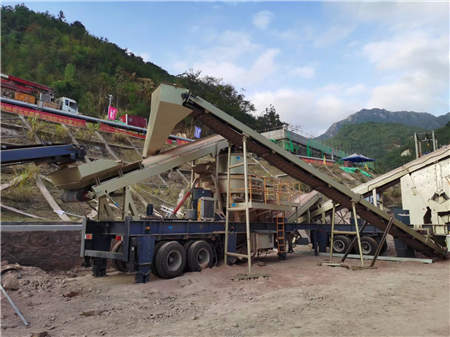
Location: Vietnam | Output: 200 t/h | Application: Road construction aggregates (<25mm). Equipment deployed included PE-750×1060 jaw crusher, HP300 cone crusher, and 3YK2160 screen.