Impact crushers are pivotal in aggregate production lines, offering high reduction ratios and cubic-shaped output. The final product size is primarily determined by rotor speed, feed size, and impact plate adjustment.
| Model | Max Feed Size (mm) | Output Size (mm) | Capacity (t/h) |
|---|---|---|---|
| PF-1010 | 350 | 0-60 (adjustable) | 50-90 |
| PF-1214 | 400 | 0-80 (adjustable) | 100-180 |
| PF-1315 | 500 | 0-100 (adjustable) | 150-300 |
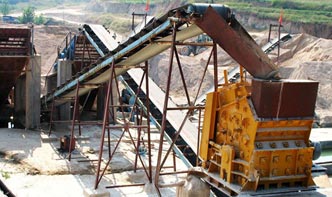
1. Uniform Feeding: Use vibrating feeders to prevent uneven wear.
2. Pre-Screening: Remove fines (<30mm) to reduce recirculation.
3. Moisture Control: Keep feed moisture below 8% to prevent clogging.
Q: How to achieve finer output?
A: Increase rotor speed (+10% RPM typically reduces output by 15%) or decrease discharge gap.
Q: Why does capacity drop suddenly?
A: Check for worn blow bars (replace if thickness <30% of original) or feed segregation.
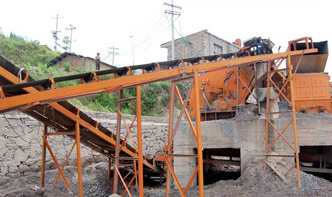
Location: Vietnam
Configuration: PF-1315 impact crusher + 3YK3072 screen
Result: Produced 0-5mm sand (38%), 5-20mm aggregate (45%) at 240t/h with ≤3% flakiness.