Purchasing a second-hand stone crusher requires evaluating critical factors like production capacity (typically 50–300 tph), motor power (30–200 kW), and wear parts condition. Common models include jaw crushers (e.g., PE-400×600) and cone crushers (e.g., HP300). Verify maintenance records and inspect liners, bearings, and hydraulic systems.
A standard setup integrates:
1. Primary crushing (Jaw crusher)
2. Secondary crushing (Cone/Impact crusher)
3. Screening (Vibrating screen)
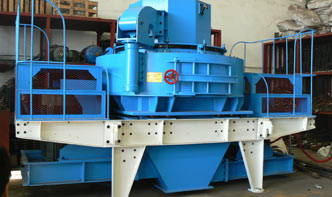
4. Sand shaping (VSI crusher)
| Equipment | Model Example | Output (tph) |
|---|---|---|
| Jaw Crusher | PE-600×900 | 60–130 |
| Cone Crusher | CSB160 | 59–163 |
| VSI Crusher | B-7615 | 120–180 |
Q1: How to assess remaining lifespan?
A: Check hourly meter (>10,000 hrs requires major overhaul).
Q2: What’s the cost difference vs. new?
A: 40–60% lower, but budget 15–20% for immediate repairs.
A Malaysian contractor repurposed a used HP200 cone crusher (2018 vintage) for a 150tph granite line, achieving 0–5mm sand yield of 35% after adding a VSI. Total retrofit cost: $220,000 (30% savings vs. new). Key lesson: Prioritize OEM-compatible wear parts availability..