A modern crushing plant integrates primary, secondary, and tertiary crushers with screening and conveying systems to produce high-quality aggregates for construction, road building, and concrete production. Below is a breakdown of key components and their functions.
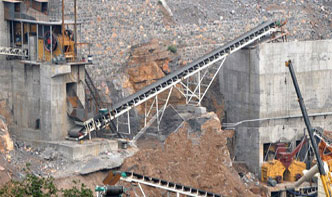
1. Primary Jaw Crusher
– Model: JC110
– Feed Size: ≤650mm
– Capacity: 150–300 TPH
– Power: 90–110 kW
2. Secondary Cone Crusher
– Model: HPC200
– Max Feed: 240mm
– Output: 0–38mm adjustable
– Power: 160 kW
3. Tertiary Impact Crusher (for shaping)
– Model: VSI-1000
– Throughput: 80–150 TPH
– Product Shape: Cubical (>95%)
4. Vibrating Screen
– Deck Layers: 2–3
– Screening Efficiency: ≥90%
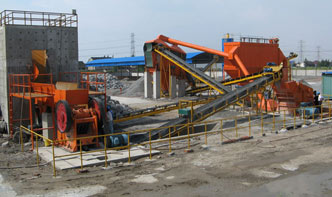
Raw material → Primary crushing (Jaw) → Secondary crushing (Cone) → Screening → Tertiary shaping (VSI) → Final screening → Stockpiling. Optional sand washing may be added for cleaner outputs.
Q1: How to reduce dust in the crushing plant?
A: Use water sprays, enclosures, or bag filters at transfer points.
Q2: What’s the lifespan of crusher wear parts?
A: Jaw plates last 6–12 months; cone mantles 3–6 months (depends on abrasiveness).
Q3: Can limestone and granite use the same line?
A: Yes, but adjust crusher settings and wear-part materials accordingly.
Location: Malaysia
Material: Granite
Output: 250 TPH (0–5mm sand, 5–20mm, 20–40mm aggregates)
Solution: JC110 + HPC200 + VSI-1000 with 3-layer screen. Achieved 98% cubical rate for concrete sand.