Silica sand feeding equipment is critical in aggregate processing plants, ensuring consistent material flow to crushers, screens, and sand makers. High-precision feeders like vibrating grizzlies, belt feeders, or apron feeders are commonly used to handle abrasive silica sand. Key manufacturers design these systems with wear-resistant linings (e.g., AR400 steel) and adjustable stroke/frequency controls (typically 700–1,000 RPM) to optimize throughput.
A complete production line includes:
1. Primary Jaw Crusher: Capacity 50–800 TPH, feed size ≤1,200 mm.
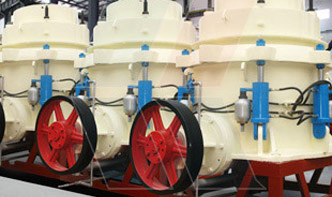
2. Cone Crusher/VSI Crusher: Produces 0–5mm sand with ≤3% fines.
3. Vibrating Screen: Multi-deck (3–5 layers), screening efficiency ≥90%.
4. Sand Washer: Spiral or wheel type, water consumption 50–100m³/h.
| Equipment | Model Example | Capacity (TPH) | Power (kW) | Key Feature |
|——————–|—————|—————-|————|—————————|
| Vibrating Feeder | GZD-1100×4200 | 150–350 | 15 | Adjustable amplitude |
| VSI Sand Maker | B-9100SE | 200–300 | 400 | Rock-on-rock crushing |
| Fine Sand Washer | LX-915 | 50–120 | 11 | Dual-wheel design |
Q: How to reduce wear in silica sand feeders?
A: Use hardened alloy liners and limit feed moisture to <5%.
Q: What’s the ideal crusher for high-silica content stone?
A: VSI crushers minimize over-crushing with low wear costs (~0.8kg/ton).
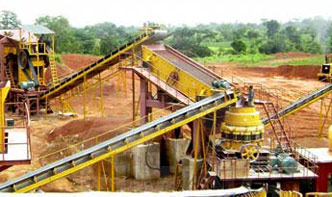
A Saudi Arabia project processed 500 TPH silica sand using:
– Primary feeder: GZD-1500×6000 (300 TPH).
– Secondary crushing: HP300 cone + B-9100SE VSI.
–