A modern aggregate crushing plant integrates primary, secondary, and tertiary crushers with screening systems to produce high-quality sand and gravel. Key components include:
1. Primary Crusher: Typically a jaw crusher (e.g., Model JC1200, feed size ≤750mm, capacity 200-400TPH) for coarse crushing.
2. Secondary Crusher: Cone crusher (e.g., Model CC300, max input size 215mm, output 20-50mm adjustable) for intermediate reduction.
3. Tertiary Crusher: Vertical shaft impactor (VSI) or fine cone crusher to shape aggregates (0-5mm sand or 5-20mm gravel).
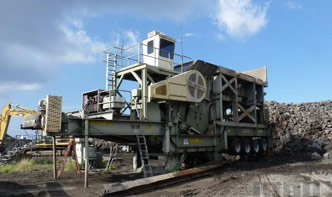
| Equipment | Model | Feed Size | Output Size | Capacity (TPH) | Power (kW) |
|——————–|———|———–|————-|—————-|————|
| Jaw Crusher | JC1200 | ≤750mm | 150-300mm | 200-400 | 160 |
| Cone Crusher | CC300 | ≤215mm | 20-50mm | 100-250 | 220 |
| VSI Crusher | VSI850 | ≤50mm | 0-5mm | 60-150 | 315 |
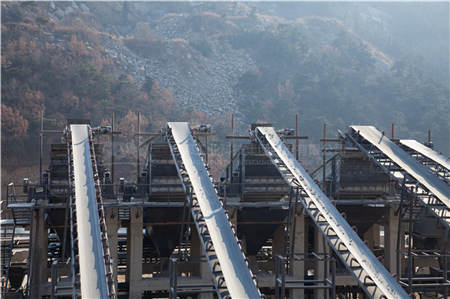
Q1: How to reduce dust in the crushing line?
A: Install water spray systems at transfer points and use enclosed conveyors.
Q2: What’s the lifespan of crusher wear parts?
A: Jaw plates last ~6 months; cone mantles ~4 months (depends on material abrasiveness).
Project: Limestone aggregate plant in Texas, USA.
Configuration: JC1200 jaw crusher + CC300 cone crusher + VSI850 + triple-deck screen.
Output: 350TPH (40% sand, 60% gravel). Dust control achieved via mist cannons and bag filters.