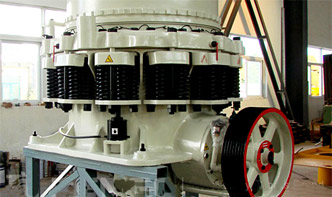
The recycling of construction and demolition waste into high-quality aggregates is a sustainable solution for modern infrastructure projects. A jaw crusher plays a pivotal role in this process, offering robust primary crushing capabilities for hard and abrasive materials like concrete, bricks, and asphalt.
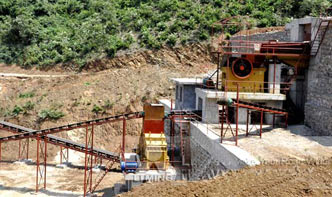
1. Jaw Crusher: Primary crushing of large debris (e.g., C120, feed size up to 830 mm, capacity 250-500 t/h).
2. Vibrating Feeder: Ensures consistent material flow (e.g., VF561-2, capacity 400 t/h).
3. Magnetic Separator: Removes ferrous metals.
4. Screen Deck: Classifies aggregates (e.g., 0-5mm, 5-20mm, 20-40mm).
| Equipment | Model | Key Parameters |
|---|---|---|
| Jaw Crusher | C120 | Feed opening 1200×870 mm, Power 160 kW |
| Vibrating Screen | CVB2060 | Deck size 2000×6000 mm, Capacity 400 t/h |
| Magnetic Separator | Suspended Type | Field strength ≥1500 Gauss |
1. Debris is pre-sorted to remove non-crushable items.
2. Material enters the jaw crusher for primary size reduction.
3. Crushed output passes through screens and magnetic separators.
4. Final aggregates are stockpiled by grade.
Q: Can a jaw crusher handle reinforced concrete?
A: Yes, but a hydraulic hammer or shear may be needed for pre-breaking large rebar sections.
Q: What’s the typical output gradation?
A: Adjustable via screen decks; common ranges are 0-5mm (sand), 5-20mm (concrete aggregate), and 20-40mm (road base).