Modern sand and gravel aggregate production lines rely on advanced crushing and sand-making equipment to transform raw materials into high-quality construction aggregates. Key equipment includes jaw crushers, cone crushers, impact crushers, sand makers, vibrating screens, and conveyors.
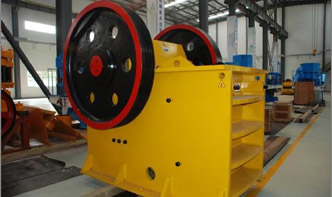
1. Jaw Crusher: Primary crushing for hard rocks (e.g., granite, basalt). Feed size: ≤1200mm; Capacity: 50–1500t/h.
2. Cone Crusher: Secondary crushing with high precision. Output size: 5–60mm; Capacity: 50–800t/h.
3. Vertical Shaft Impact Crusher (Sand Maker): Produces cubic-shaped sand. Max feed size: 50mm; Capacity: 60–520t/h.
A standard setup might include:
– Primary Jaw Crusher → Secondary Cone Crusher → Tertiary Impact Crusher → Sand Maker → Vibrating Screen → Conveyor System.
| Equipment | Model Example | Max Feed Size (mm) | Capacity (t/h) | Power (kW) |
|——————–|————–|——————–|—————-|————|
| Jaw Crusher | PE-600×900 | 500 | 50–160 | 75 |
| Cone Crusher | HPT300 | 240 | 100–350 | 315 |
| Sand Maker | VSI-1140 | 50 | 60–300 | 250 |
Q1: How to choose between a cone crusher and an impact crusher?
A: Cone crushers suit hard rocks with high abrasion; impact crushers are better for softer materials requiring cubical output.
Q2: What’s the typical lifespan of wear parts?
A: Jaw plates last ~200 hours; cone mantles ~500 hours (varies by material hardness).
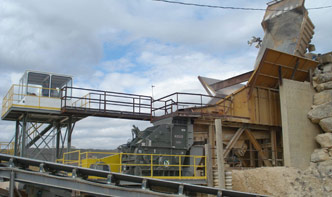
Project: A granite aggregate plant in Fujian, China.
Solution: PE-750×1060 jaw crusher + HPT300 cone crusher + VSI-